Why Roofs Fail Early: Common Issues Regular Maintenance Prevents
Roofing systems are designed to provide long-term protection, structural stability, and energy efficiency, yet many roofs fail far earlier than their expected lifespan. This premature deterioration is rarely caused by a single catastrophic event; instead, it is often the result of gradual, preventable issues that go unnoticed over time. From minor leaks to hidden structural weaknesses, small problems can escalate into costly repairs or full replacements when regular maintenance is overlooked. In an industry where durability and performance are paramount, understanding why roofs fail early is essential for property owners and managers alike.
Routine roof maintenance is not simply a precaution—it is a strategic investment in preserving the integrity of a building. By identifying common causes of roof failure and addressing them proactively, we can extend the life of roofing systems, reduce repair costs, and maintain overall property value. This blog explores the most frequent issues that lead to early roof failure and highlights how consistent maintenance practices can prevent these problems. With the right approach, we can shift from reactive repairs to proactive protection, ensuring roofs perform as intended for years to come.
1. Poor Installation Practices
Lack of Proper Techniques
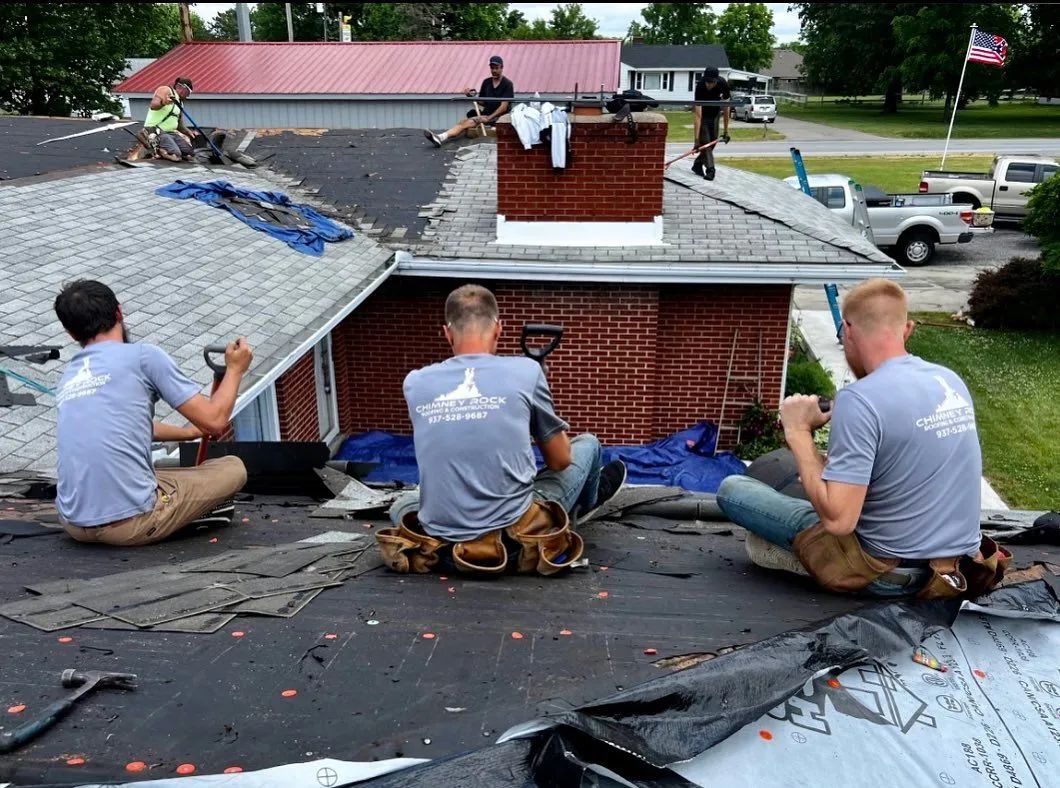
One of the most common causes of early roof failure begins at installation. Even high-quality materials can underperform when installed incorrectly, leading to long-term structural vulnerabilities and performance issues. Improper shingle alignment, inadequate sealing, and incorrect flashing placement create vulnerabilities that allow water infiltration and structural stress. These issues may not be immediately visible but gradually compromise the roof’s integrity, eventually leading to expensive repairs and reduced system lifespan over time.
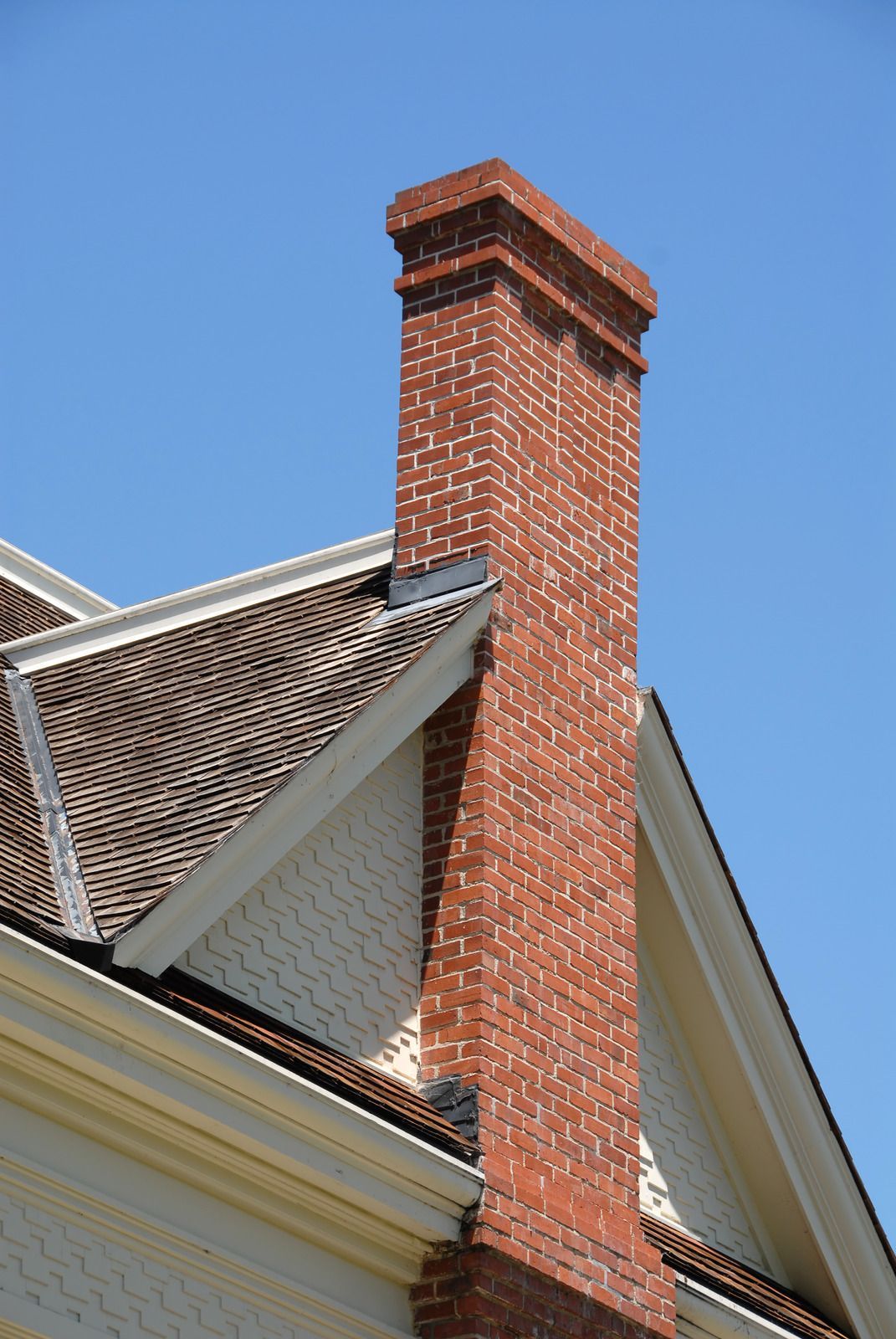
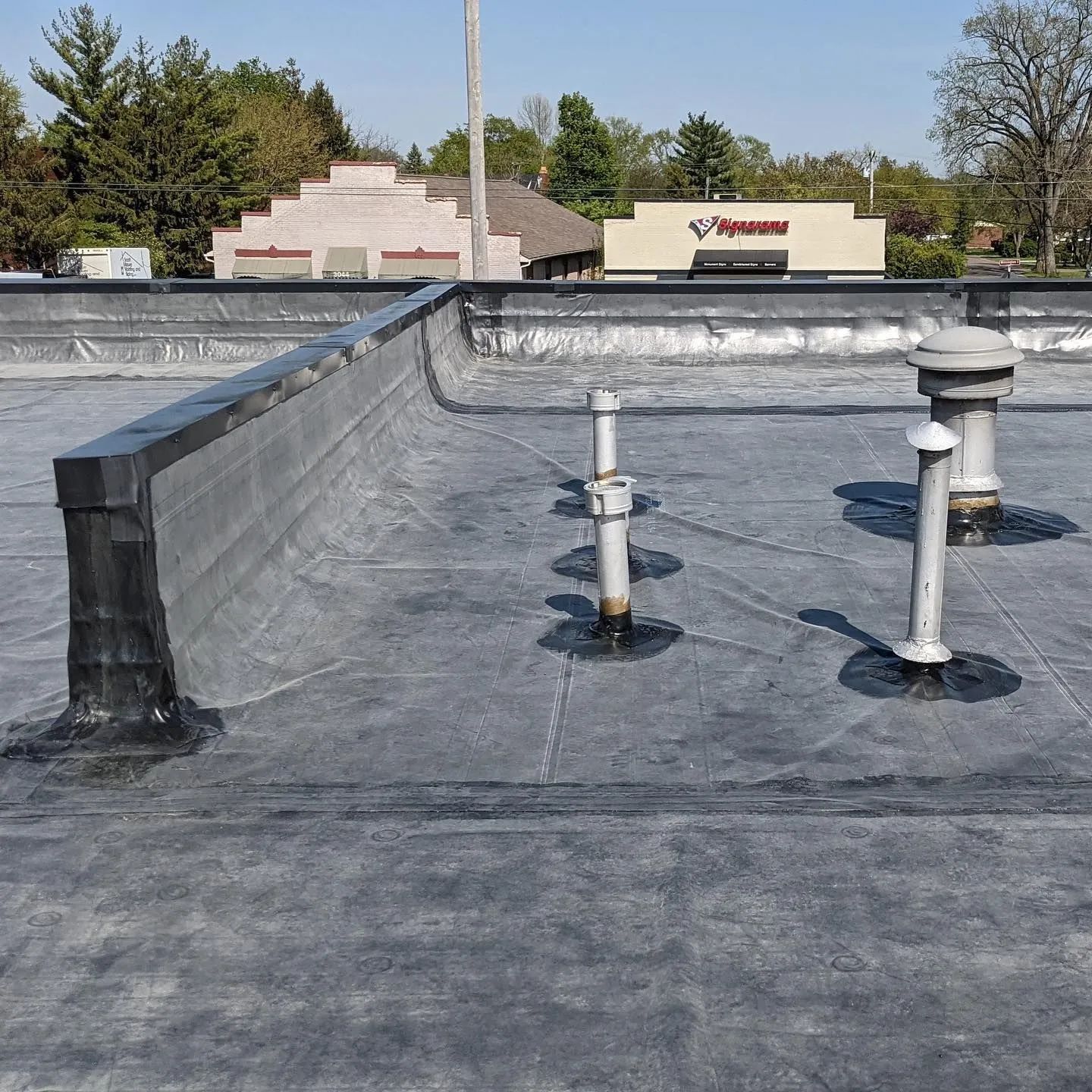
In real-world scenarios, poorly installed flashing around chimneys or vents often leads to slow leaks that damage insulation and decking. Without regular inspections, these hidden issues worsen until significant repairs are required, often affecting interior spaces and increasing overall restoration costs for property owners.
Inadequate Quality Control
A lack of oversight during installation can result in missed steps or shortcuts, which directly impact overall roof durability and long-term performance reliability. When installation standards are not consistently followed, roofs become more susceptible to environmental damage and premature structural deterioration over time. Regular maintenance inspections help identify these early warning signs, allowing corrective action before major deterioration occurs and preventing costly long-term structural failures.
Best Practice: Conduct post-installation inspections and schedule annual maintenance to verify workmanship and detect potential weaknesses early, ensuring long-term durability and optimal roofing system performance.
2. Moisture Intrusion and Water Damage
Hidden Leaks and Water Penetration
Water is one of the most destructive forces affecting roofing systems, especially when infiltration occurs gradually and remains undetected for extended periods. Even minor leaks can lead to rot, mold growth, and structural damage over time, significantly reducing the roof’s effectiveness and safety. Common entry points include damaged shingles, compromised flashing, and clogged drainage systems that prevent proper water flow and drainage.
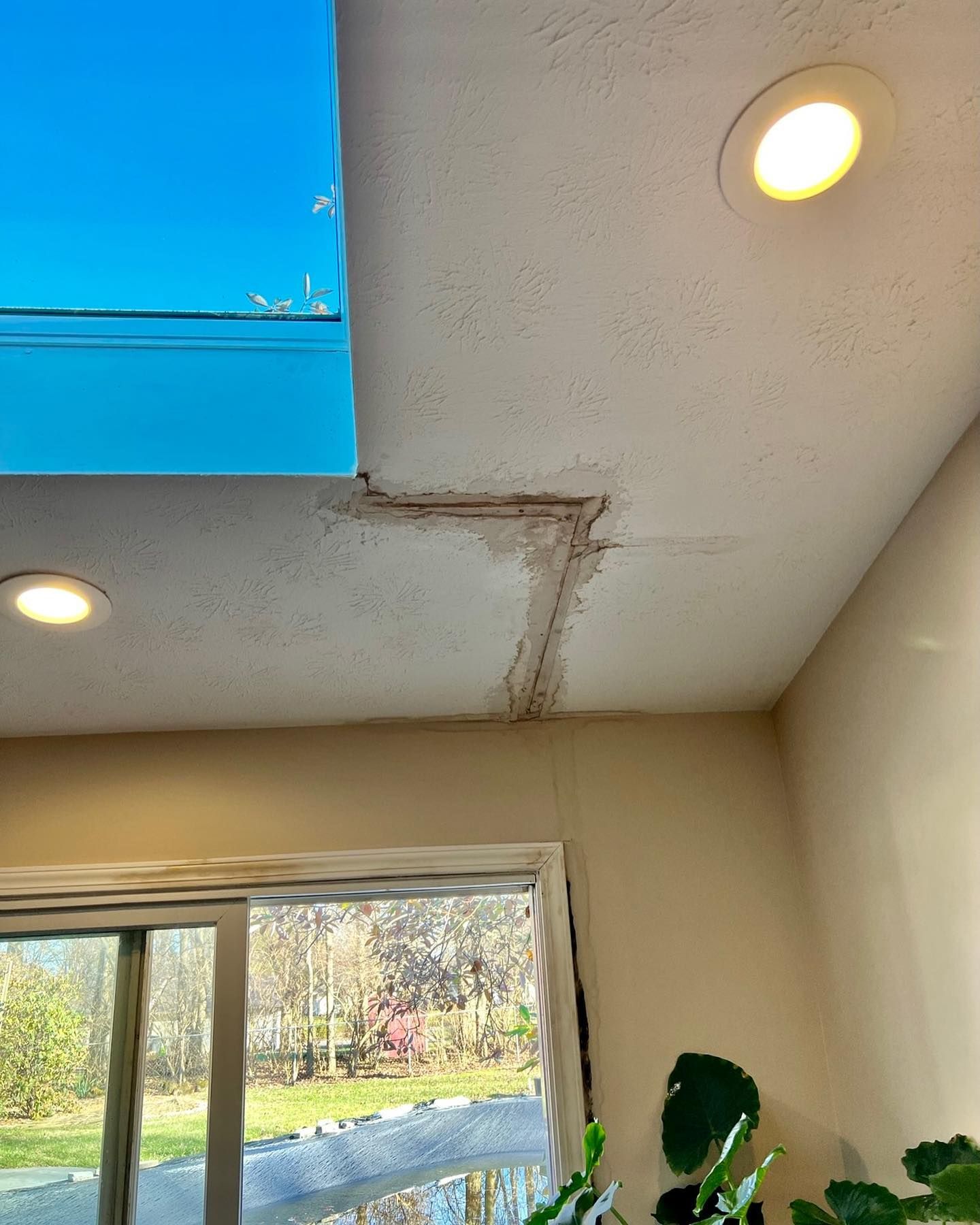
For example, a small crack in a shingle can allow water to seep beneath the surface, saturating the underlayment and weakening the roof deck. Without routine maintenance, such issues remain undetected until visible damage appears inside the property, often requiring extensive repairs and costly remediation efforts.
Impact on Structural Integrity
Prolonged moisture exposure weakens wood components, corrodes metal elements, and reduces insulation efficiency, creating long-term structural vulnerabilities and increased maintenance requirements. This not only affects the roof but also impacts indoor air quality and energy performance, leading to higher utility costs and potential health concerns for occupants.
Preventive Measure: Regular inspections, prompt leak repairs, and proper drainage maintenance significantly reduce the risk of moisture-related failures while preserving the overall integrity of the roofing system.
3. Lack of Regular Inspections
Overlooking Early Warning Signs
Roofs rarely fail without warning, as most structural issues develop gradually and present visible indicators before becoming severe problems. Cracked shingles, loose materials, and minor leaks are early indicators of potential problems that require immediate attention to prevent further damage. However, without routine inspections, these signs often go unnoticed and worsen over time, increasing repair complexity and costs.
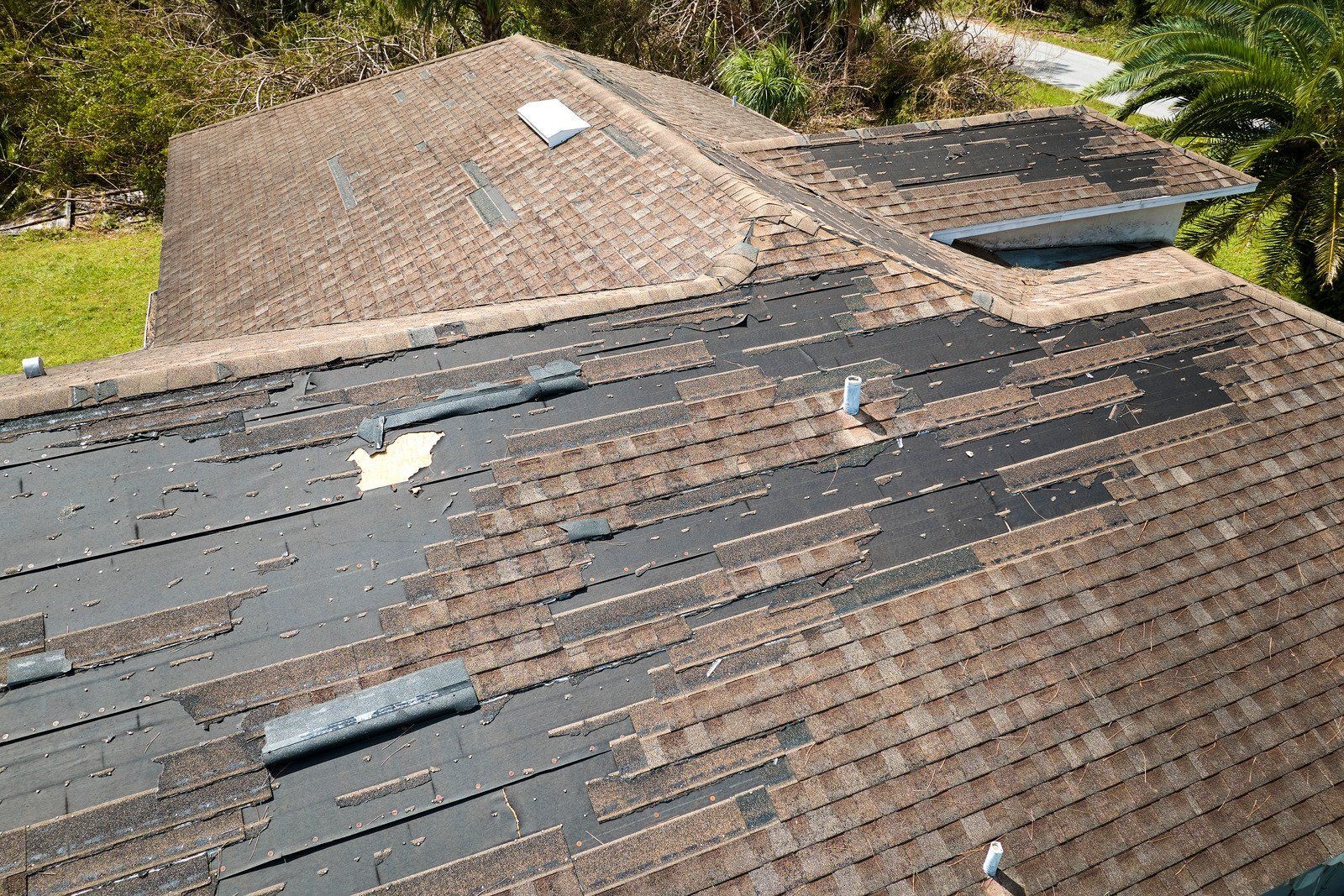
A common scenario involves small areas of shingle damage caused by wind or minor environmental stressors during seasonal weather changes. Left unattended, these areas expand, exposing the roof to further damage during subsequent weather events and increasing the likelihood of significant structural issues developing.
Cost Implications of Neglect
Ignoring routine inspections leads to reactive maintenance, which is typically more expensive and less effective in preserving long-term roof performance. Minor repairs that could have been addressed quickly often escalate into major structural issues requiring extensive work and significantly higher financial investment over time.
Actionable Insight: Implement a biannual inspection schedule—preferably in spring and fall—to catch seasonal damage early and maintain consistent roof performance throughout the year.
4. Poor Ventilation and Insulation
Heat and Moisture Buildup
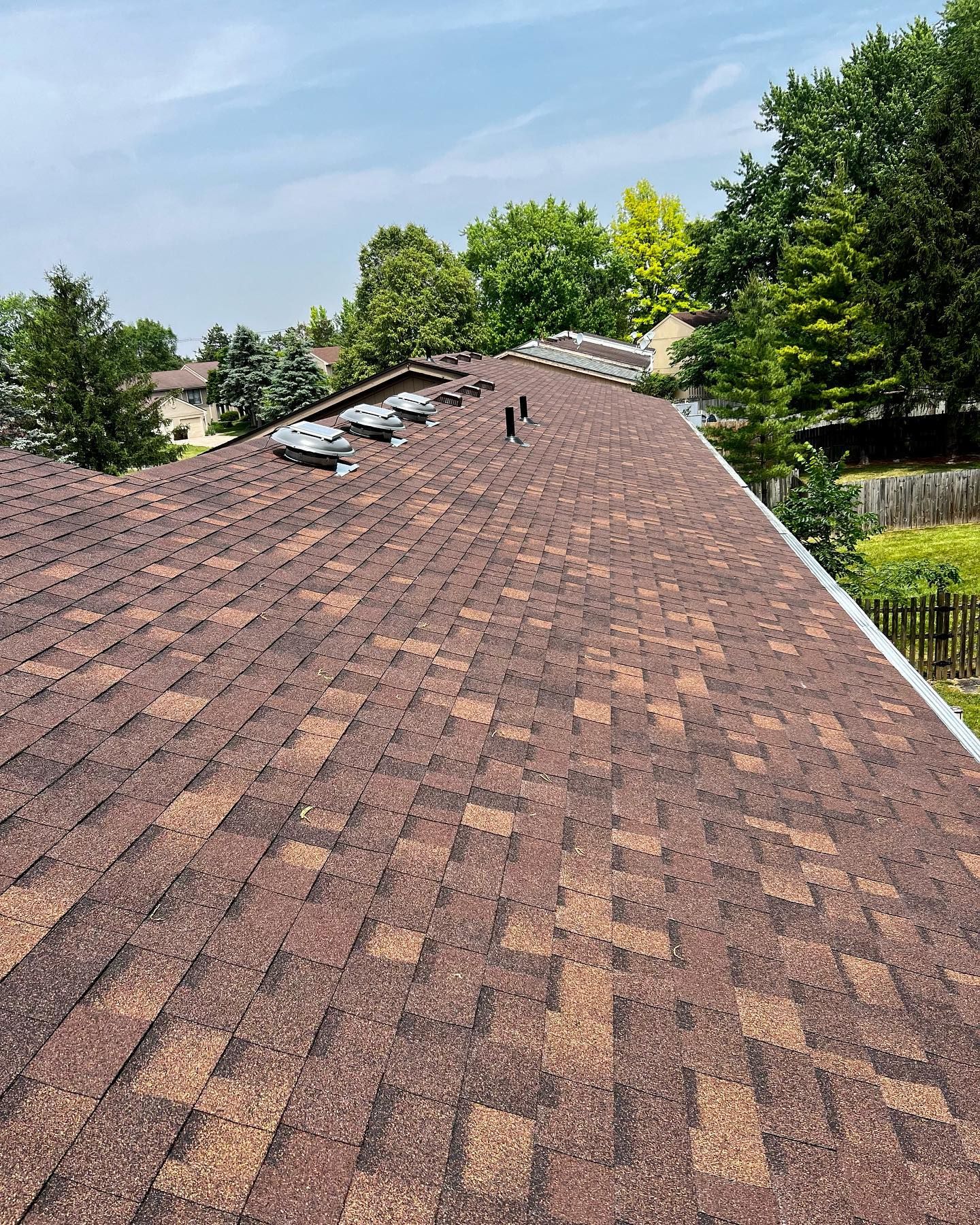
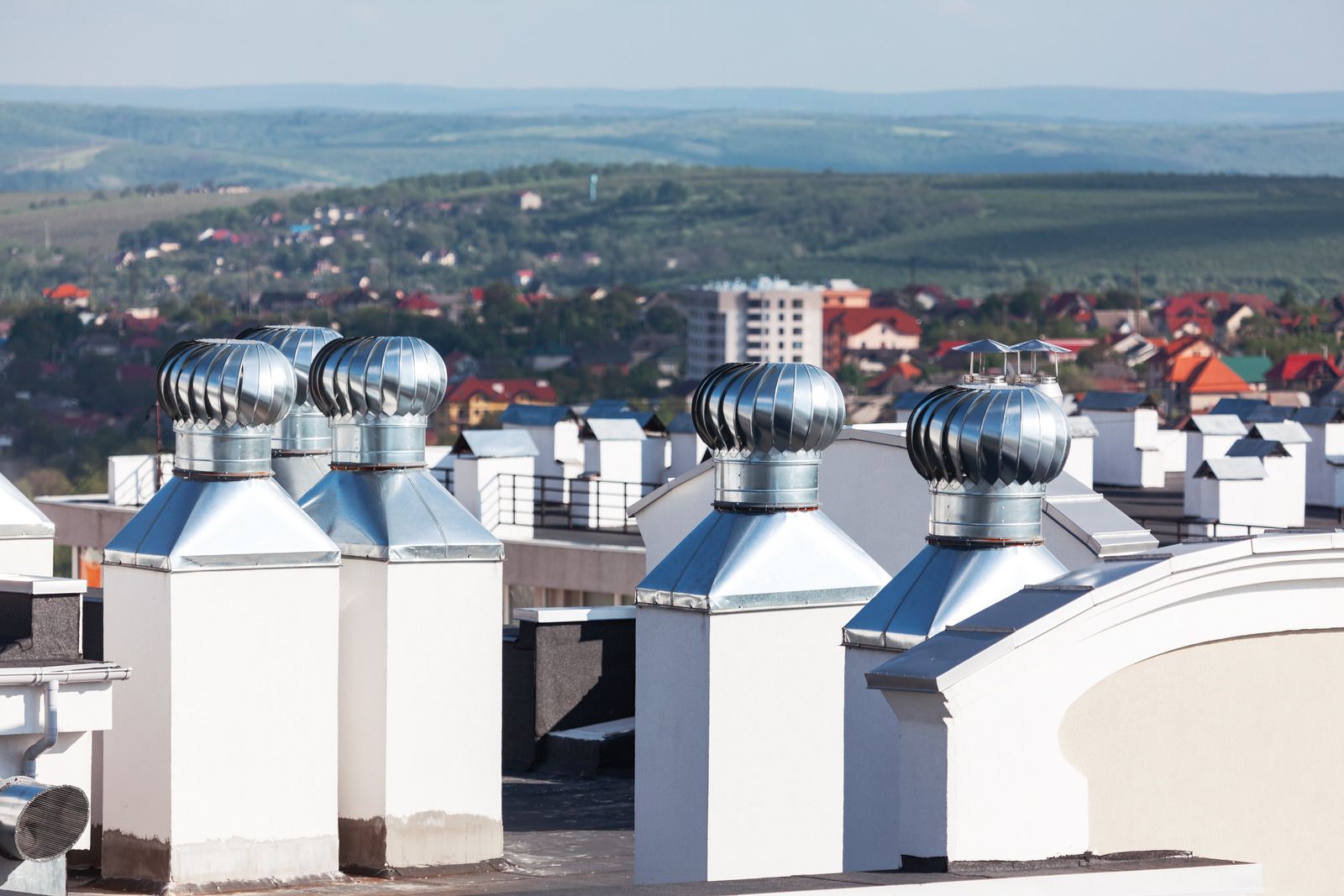
Proper ventilation plays a critical role in maintaining roof health by regulating temperature and preventing excess moisture accumulation within attic spaces. Without adequate airflow, heat and moisture accumulate in the attic space, leading to premature aging of roofing materials and reduced structural durability.
Excessive heat can cause shingles to warp or crack, while trapped moisture promotes mold growth and wood rot, creating long-term maintenance challenges. These conditions significantly reduce the lifespan of the roof and increase the likelihood of costly repairs or early replacement.
Energy Efficiency Concerns
Inadequate insulation and ventilation also impact energy efficiency, causing indoor temperatures to fluctuate and increasing dependence on heating and cooling systems. Buildings may experience higher cooling and heating costs due to poor temperature regulation and inefficient energy usage throughout different seasons.
Best Practice:
Ensure proper attic ventilation systems are in place and functioning correctly to support consistent airflow and moisture control. Regular maintenance checks can identify blocked vents or insulation gaps that contribute to these issues and reduce overall system efficiency.
5. Weather-Related Wear and Tear
Exposure to Extreme Conditions
Roofs are constantly exposed to environmental elements such as rain, wind, snow, and UV radiation throughout the year in varying intensities. Over time, these factors cause materials to degrade, especially when routine maintenance and timely repairs are not consistently performed. While weather damage is inevitable, lack of maintenance accelerates the process and increases the risk of premature failure.
For instance, strong winds can loosen shingles, while prolonged sun exposure can cause materials to dry out and become brittle over time. Without timely repairs, these minor damages compound and lead to larger failures that compromise the roof’s structural integrity and performance.
Seasonal Challenges
Different seasons present unique challenges that require proactive maintenance strategies to prevent long-term damage and ensure consistent roof performance. Winter can lead to ice dams and water buildup, while summer heat can cause thermal expansion and material fatigue.
Regular maintenance ensures that roofs are prepared for these seasonal stresses and can withstand changing environmental conditions effectively.
Preventive Strategy: Conduct seasonal inspections and address weather-related damage promptly to maintain structural integrity and extend the lifespan of the roofing system.
6. Clogged Gutters and Drainage Issues
Water Backup and Overflow
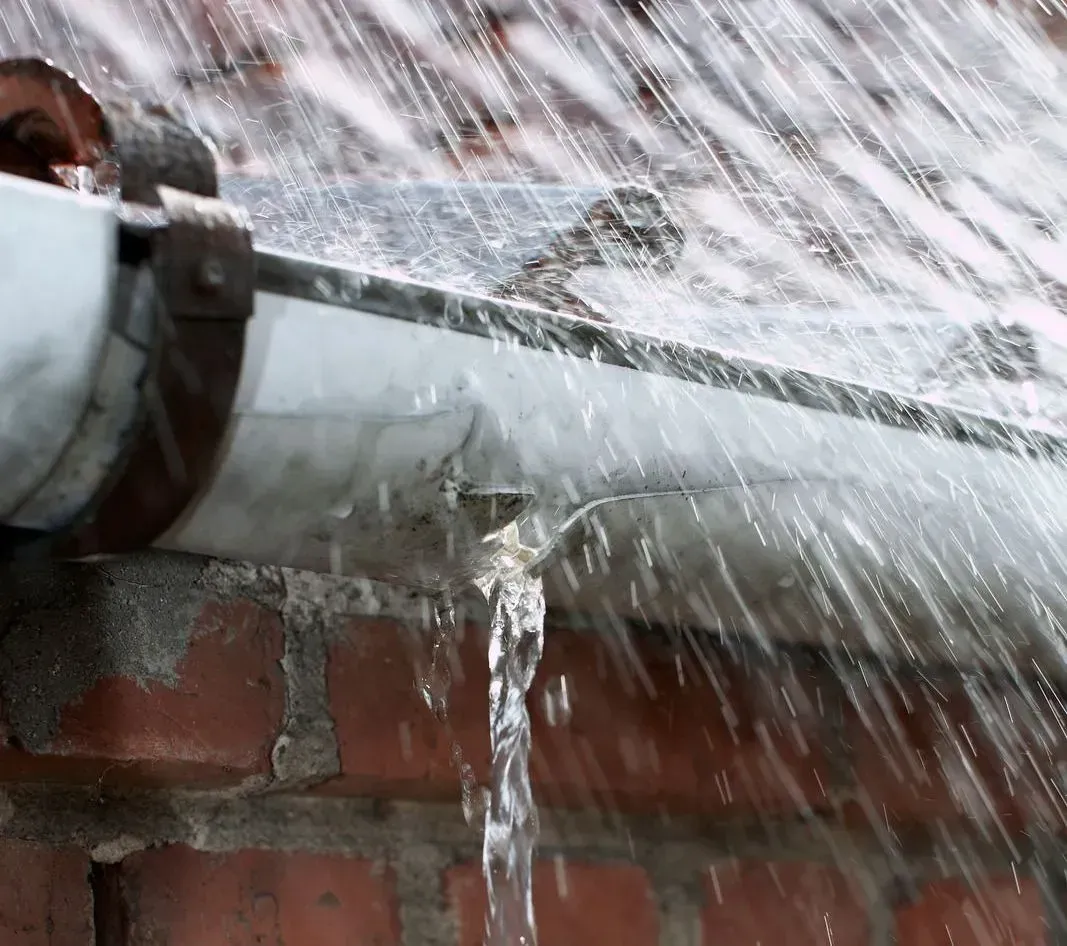
Gutters and drainage systems are essential for directing water away from the roof and preventing accumulation that can lead to structural damage. When clogged with debris such as leaves and dirt, water backs up and accumulates on the roof surface, increasing the risk of leaks.
This standing water increases the risk of leaks and accelerates material deterioration, especially in vulnerable areas of the roofing system. In extreme cases, it can lead to structural damage and foundation issues that require costly repairs and long-term maintenance solutions.
Long-Term Impact
Persistent drainage problems can weaken roof edges, fascia boards, and soffits, reducing the overall durability and effectiveness of the roofing system. Over time, this compromises the overall stability of the roofing system and increases the likelihood of structural failure if not addressed promptly.
Best Practice: Regularly clean gutters and ensure proper drainage flow to prevent water accumulation and damage. Installing gutter guards can also help minimize debris buildup and reduce maintenance frequency while improving overall system efficiency.
Trusted Roofing Experts Delivering Long-Term Protection Solutions
Early roof failure is rarely the result of unavoidable circumstances. Instead, it is typically caused by preventable issues such as poor installation, moisture intrusion, inadequate ventilation, and lack of regular maintenance. Each of these factors contributes to gradual deterioration, often going unnoticed until significant damage occurs. By understanding these common problems and addressing them proactively, we can protect roofing systems from premature failure and avoid costly repairs.
Regular maintenance plays a crucial role in preserving roof performance and extending its lifespan. Through routine inspections, timely repairs, and proper care, we can ensure that roofs remain durable, efficient, and structurally sound. A proactive approach not only safeguards the building but also enhances long-term value and reliability, making maintenance an essential part of responsible property ownership.
Chimney Rock Roofing & Construction, LLC
stands as a trusted authority in the roofing industry, delivering expert solutions backed by 20
years of experience. Serving Dayton, Beavercreek, and Centerville, Ohio, we specialize in identifying and preventing the very issues that cause roofs to fail early. Our approach focuses on proactive maintenance, precision workmanship, and long-term performance, ensuring every roofing system is built to last. We understand the importance of protecting investments, which is why we provide thorough inspections, reliable repairs, and tailored maintenance strategies designed to extend roof lifespan. With a strong commitment to quality and customer satisfaction, we bring professionalism, expertise, and dependable service to every project.