The Importance of Proper Ventilation in Roofing Systems
A durable, high-performing roof relies on more than the strength of shingles, underlayment, and flashing. One of the most critical—and often overlooked—factors in roof health is proper ventilation. Ventilation ensures that a roofing system can breathe, allowing fresh air to circulate while excess heat and moisture escape. Without this balance, the structural integrity of a home can be compromised, energy bills can rise, and premature roof failure becomes a serious risk. As homeowners and property managers increasingly prioritize long-term performance, understanding ventilation’s role has become essential for making informed decisions about roof care and replacement.
In the roofing industry, ventilation is no longer viewed as an optional upgrade but a fundamental component of system design. Modern building codes, manufacturer guidelines, and industry best practices all emphasize ventilation due to its impact on energy efficiency, indoor comfort, and structural protection. In cold climates, ventilation prevents condensation and ice dam formation; in hot climates, it reduces attic temperatures and minimizes thermal stress. Regardless of geographic location, a well-ventilated roof contributes to higher durability, better performance, and increased property value. By exploring how ventilation works and why it matters, homeowners can better understand the safeguards that keep their roofing systems functioning effectively for years.
Understanding Roofing Ventilation Systems
How Roofing Ventilation Works
Roof ventilation operates on a simple principle: replacing hot, moist air inside an attic with cooler, drier outside air. This constant airflow is usually achieved through a combination of intake vents placed near the roof’s lower edge and exhaust vents located near the ridge. Intake vents draw in fresh air, while exhaust vents allow rising warm air to escape. Together, they create a continuous flow that stabilizes attic temperatures, reduces humidity, and prevents long-term material degradation.
Types of Roof Vents
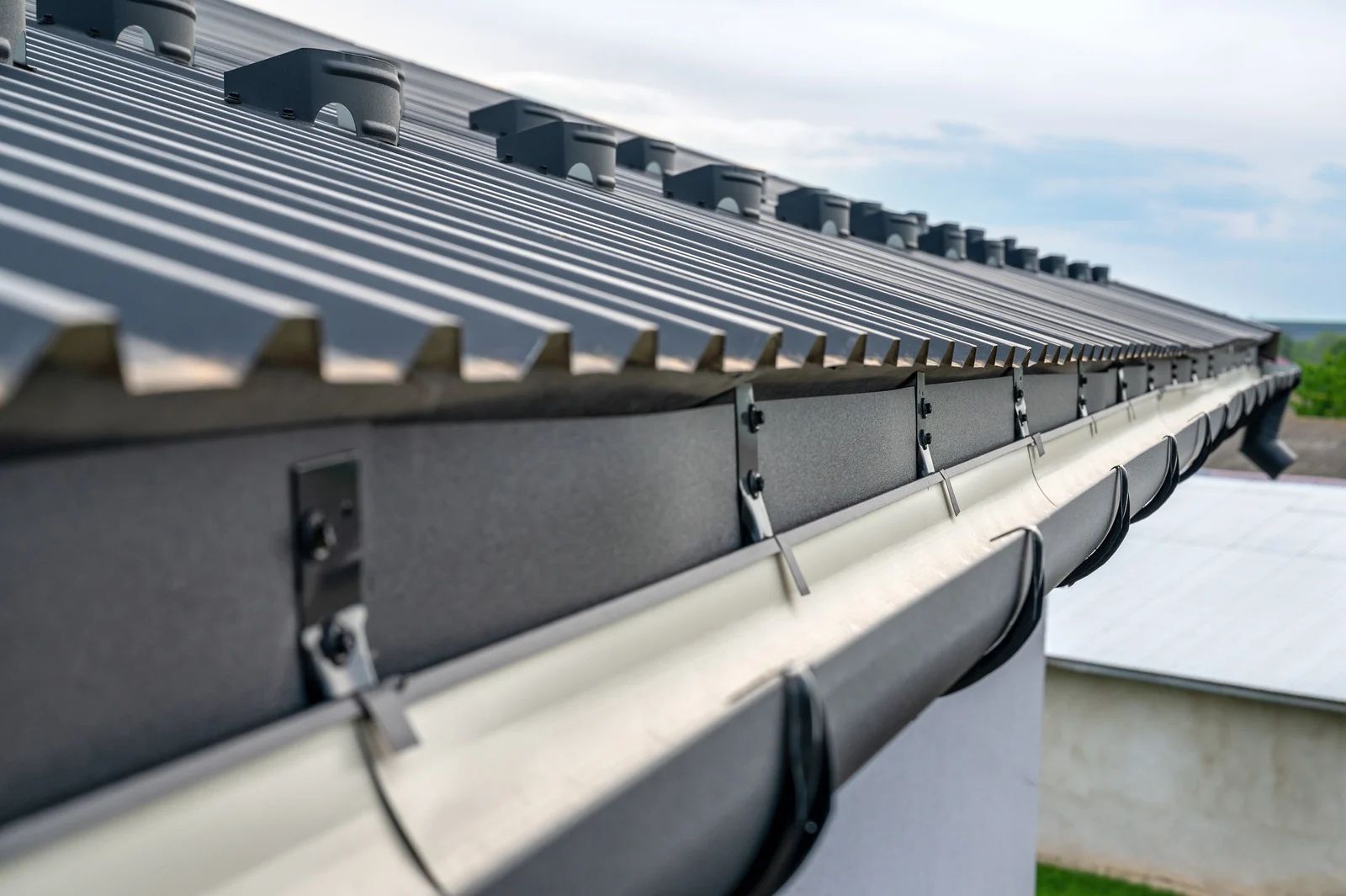
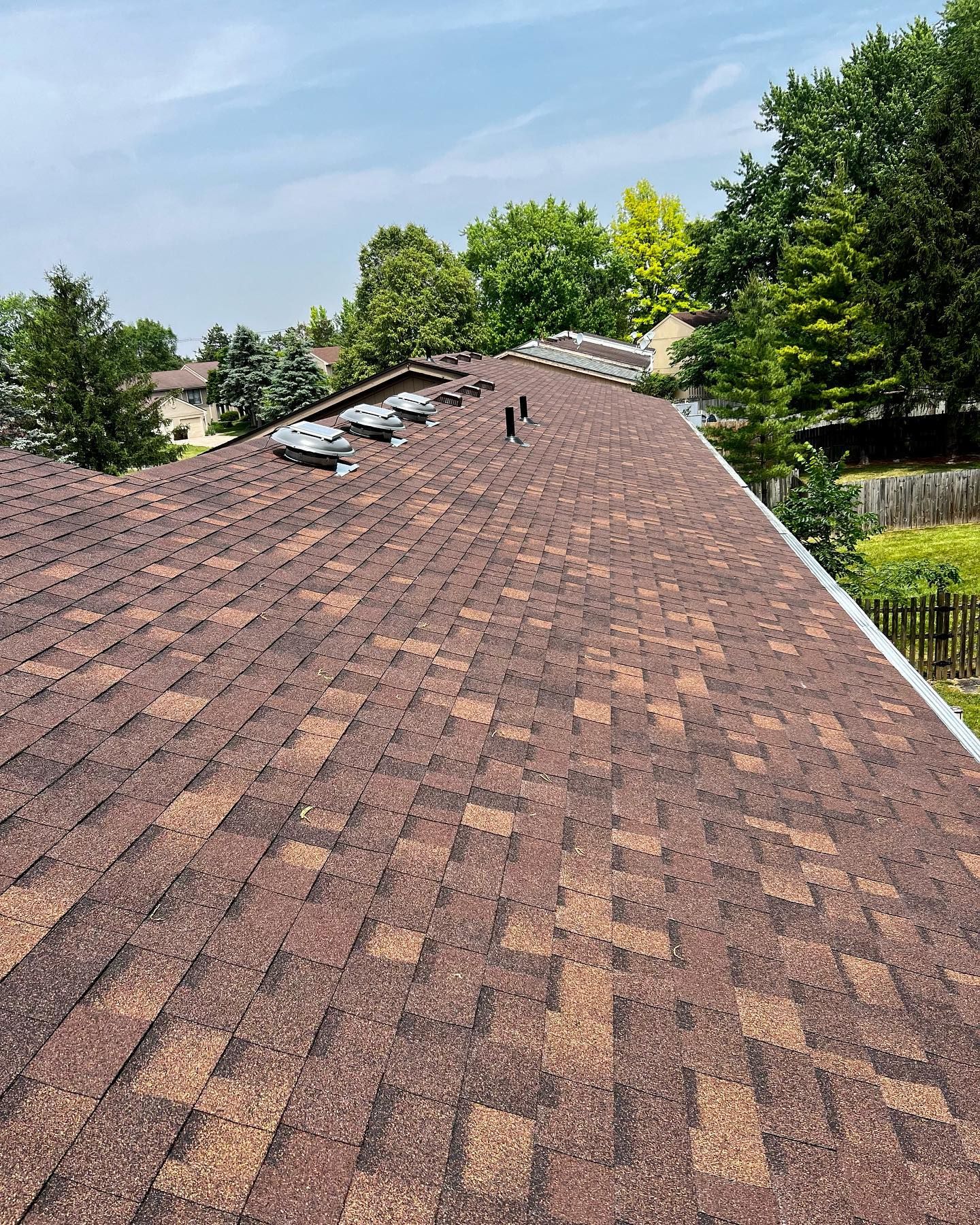
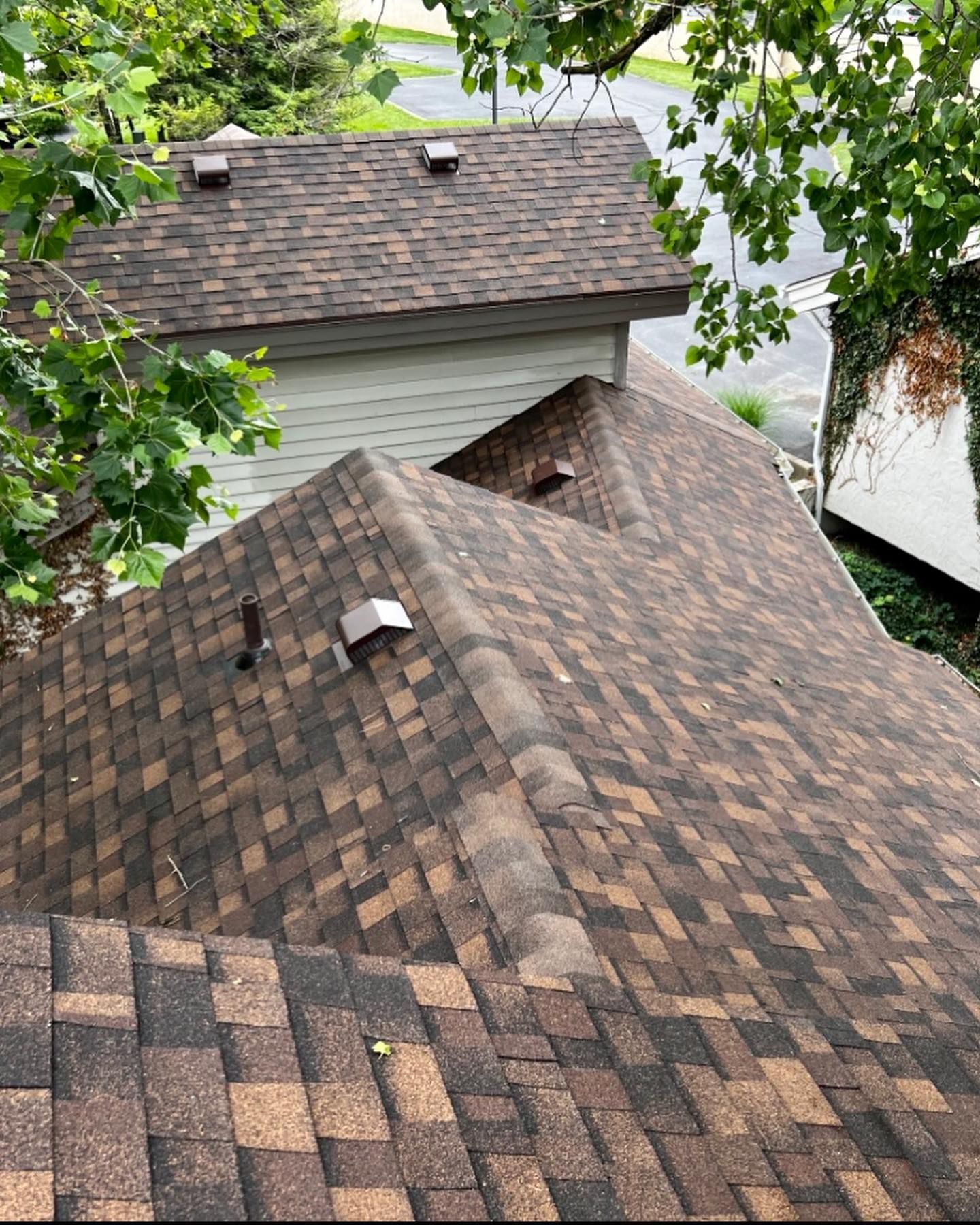
Modern roofing systems incorporate different types of vents to promote optimal airflow. Common intake options include soffit and eave vents, which allow air to enter beneath the roofline. Exhaust options include ridge vents, gable vents, turbines, and powered attic fans. Ridge vents are often preferred for their efficiency and aesthetic appeal, blending seamlessly with the roofline. Turbines rotate with wind movement to increase airflow, while powered fans electronically regulate ventilation, making them effective in particularly warm or humid environments.
Why Ventilation Is a Non-Negotiable Component
Ventilation directly influences roof lifespan, home comfort, and energy use. Roofing materials, especially shingles, are sensitive to excessive heat and moisture. Without ventilation, attic temperatures can soar, causing shingles to age rapidly, wood components to warp, and insulation performance to decline. Proper ventilation is a core requirement for maintaining roof warranties and meeting industry standards.
The Impact of Poor Ventilation on Roofing Systems
Moisture Accumulation and Structural Damage
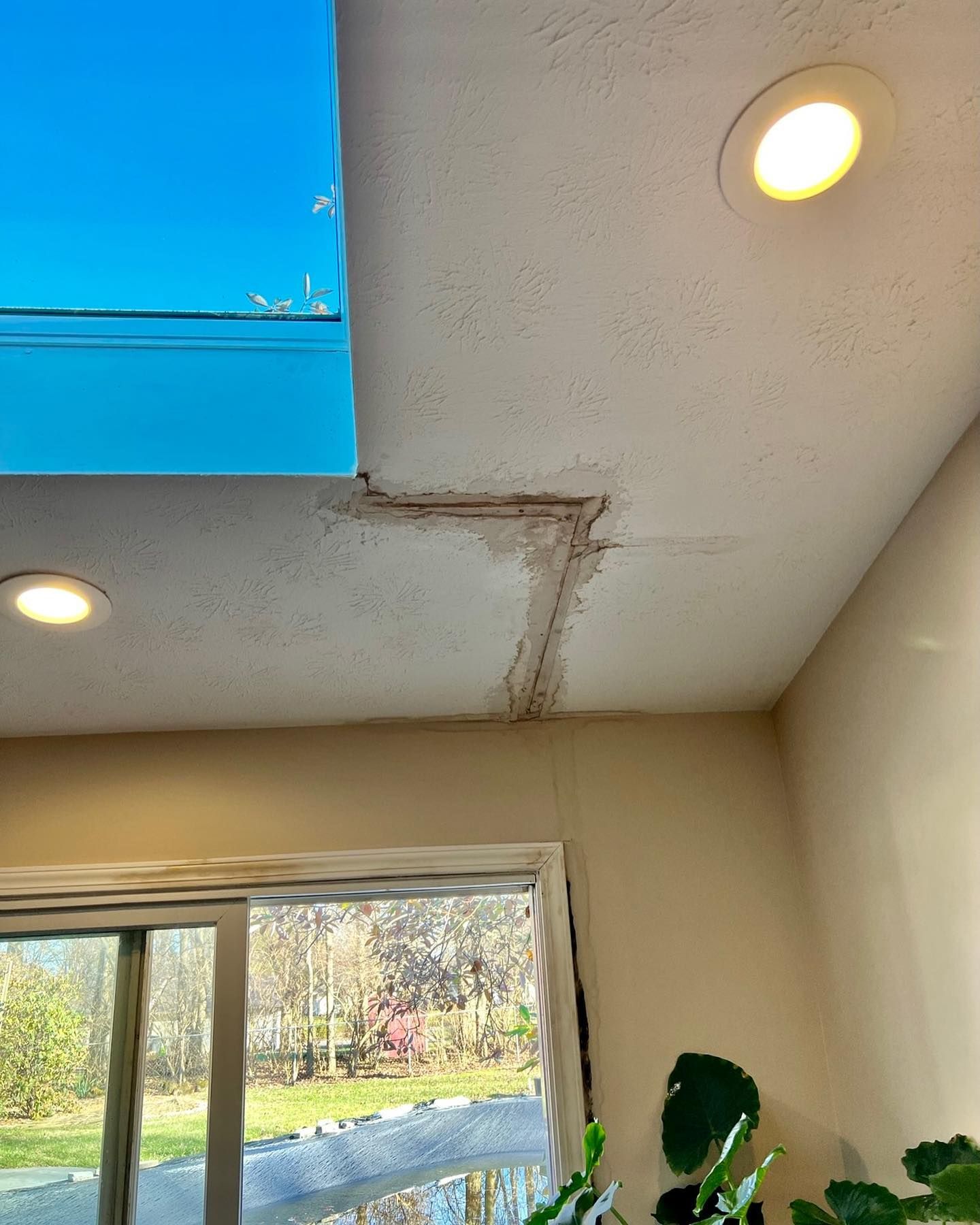
Moisture is one of the most destructive forces affecting a home’s structure. Poor ventilation traps moisture in the attic, often resulting from cooking, showering, or everyday living activities. When this moisture settles on wooden rafters and decking, it promotes mold growth, wood rot, and structural weakening. Over time, this compromises the entire roof system and can lead to costly repairs or full replacement.
Ice Dams in Cold Climates
For homes in colder regions, inadequate ventilation increases the likelihood of ice dam formation. Ice dams occur when warm attic air melts snow on the roof. The melted water flows down to the colder roof edges, where it refreezes. This cycle forces water beneath shingles and into the attic, causing leaks and interior water damage. Proper ventilation keeps attic temperatures closer to exterior temperatures, preventing snow from melting prematurely and reducing the risk of ice dams.
Heat Damage in Warm Climates
In warm climates, attics without adequate ventilation can reach extreme temperatures, sometimes exceeding 150°F. This heat radiates downward into living areas, forcing air conditioning systems to work harder and increasing utility bills. Continuous high temperatures cause shingles to blister, dry out, and lose granules—leading to premature aging and reduced roof performance. Overheated attics also diminish insulation efficiency, making interior spaces less comfortable.
Key Benefits of Proper Roof Ventilation
Extending Roof Lifespan
One of the most significant advantages of proper ventilation is its ability to extend the lifespan of the roof. By controlling heat and moisture, ventilation reduces stress on shingles, underlayment, and structural components. This balanced environment allows roofs to maintain their integrity and performance for decades, resulting in long-term savings and improved property value.
Boosting Energy Efficiency
Ventilation plays a major role in regulating indoor temperatures. During the summer, cooler attic temperatures lower the demand on HVAC systems, reducing operational costs. In winter, ventilation prevents warm air from becoming trapped and prevents condensation that can damage insulation. Many homeowners notice a substantial reduction in energy bills once their roofing ventilation is properly optimized.
Enhancing Indoor Comfort
Few homeowners realize how significantly attic ventilation affects indoor comfort. By reducing heat transfer from the attic to the living space and maintaining consistent airflow, ventilation helps stabilize interior temperatures. Rooms beneath the attic, such as bedrooms and bonus rooms, often experience the greatest improvements. A well-ventilated roof also supports healthier indoor air quality by limiting moisture and mold development.
Preserving Attic Insulation
Insulation works best when dry. Moisture accumulation from poor ventilation can saturate insulation, reducing its effectiveness by up to 50 percent. Proper airflow ensures insulation maintains its thermal resistance, contributing to both comfort and energy efficiency.
Best Practices for Proper Roof Ventilation
Using the Right Balance of Intake and Exhaust Vents
A balanced system is essential for effective ventilation. Industry standards recommend maintaining a ratio of one square foot of ventilation for every 300 square feet of attic space, split evenly between intake and exhaust. When exhaust vents exceed intake, negative pressure can draw conditioned indoor air into the attic, reducing energy efficiency. When intake exceeds exhaust, attic air becomes stagnant. Ensuring balance keeps air flowing properly.
Inspecting and Maintaining Ventilation Components
Vents should be inspected regularly to ensure they are free of debris, insulation blockage, or pest interference. Over time, leaves, bird nests, and dust can obstruct airflow. Homeowners should also ensure soffit vents are not painted shut or blocked during insulation upgrades. Routine inspections help detect issues early and preserve proper ventilation performance.
Choosing the Right Ventilation Type for the Home
Not all homes benefit equally from the same vent types. The ideal ventilation system depends on roof design, attic layout, climate, and building codes. For example, ridge vents work best on sloped roofs with continuous ridgelines. Homes with complex roof structures may require a combination of ridge, gable, and mechanical vents to achieve optimal airflow. Consulting a knowledgeable roofing professional ensures the right setup for each unique property.
Integrating Ventilation with Insulation and Air Sealing
Ventilation is most effective when paired with proper insulation and air sealing. Insulation slows heat transfer, while air sealing prevents warm, moist interior air from entering the attic. Together, these components create an efficient building envelope that maximizes the benefits of ventilation. Ignoring one of these three critical elements can compromise overall performance.
Common Ventilation Mistakes and How to Avoid Them
Mixing Incompatible Vent Types
A frequent mistake occurs when homeowners or inexperienced contractors mix vent types that compete with each other. For instance, using both ridge vents and gable vents can disrupt airflow patterns and reduce efficiency. A well-planned system uses compatible vents designed to work together without creating competing airflows.
Blocking Intake Vents
During home upgrades or attic insulation projects, soffit vents may become unintentionally blocked. This can severely limit airflow and neutralize the effect of exhaust vents. Using baffles or vent chutes ensures air can freely flow from the soffits into the attic, even when insulation is added or replaced.
Relying Solely on Mechanical Ventilation
Powered attic fans can assist with ventilation but should not be relied upon as the only solution. If intake is insufficient, powered fans may draw conditioned air from inside the home, increasing energy consumption. Mechanical ventilation should only supplement a balanced passive system, not replace it.
Overlooking Climate-Specific Needs
Different climates demand different ventilation strategies. Homes in humid regions require systems that manage moisture effectively. In contrast, homes in snowy climates need systems that prevent ice dams. Tailoring ventilation solutions to local conditions ensures optimal performance and roof longevity.
Strengthening Home Protection Through Proper Roof Ventilation
Proper roof ventilation is essential for protecting the home, preserving structural integrity, and ensuring long-term roofing performance. By regulating heat and moisture within the attic, ventilation reduces energy costs, prevents mold growth, minimizes the risk of ice dams, and significantly extends the life of roofing materials. Whether in hot, cold, or humid climates, ventilation supports a stable environment that helps the entire roofing system function efficiently. Homeowners who understand its importance are better equipped to make informed decisions about roof maintenance, repairs, and replacement.
For those seeking
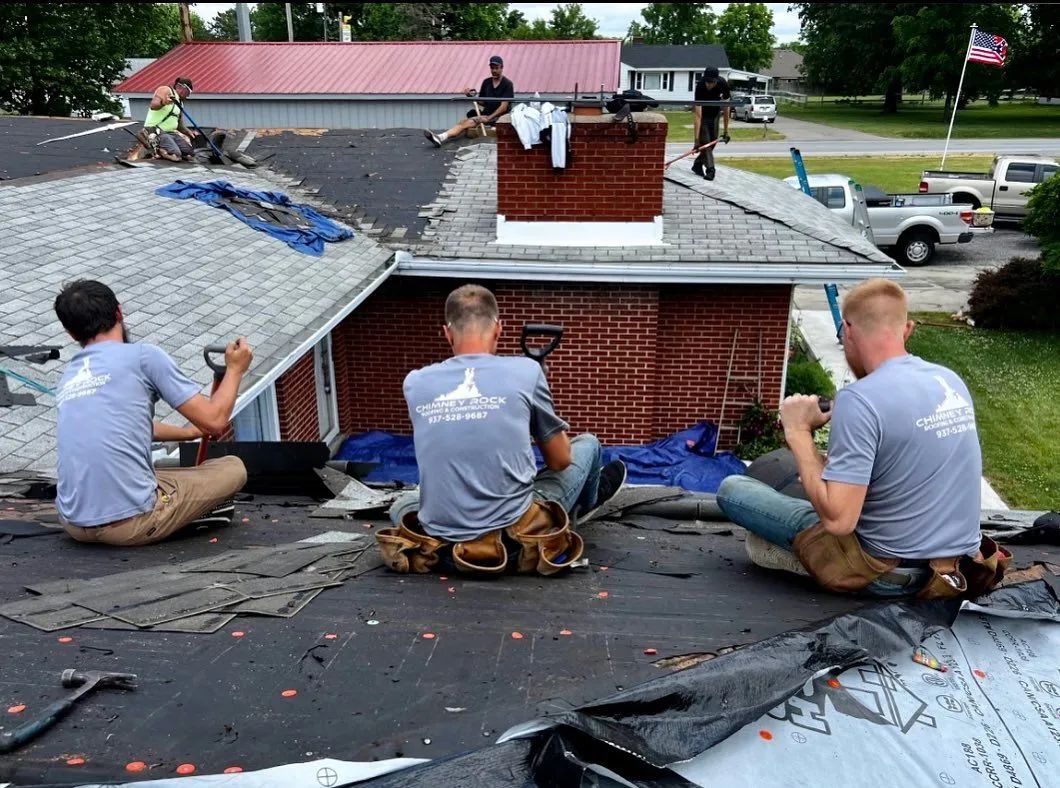
professional roofing guidance, Chimney Rock Roofing & Construction, LLC
offers trusted expertise built on 20
years of industry experience. Based in Centerville, Ohio, the company is committed to delivering dependable,
high-quality roofing solutions tailored to each property’s unique needs. Their team understands the science behind proper ventilation and applies proven techniques to ensure every roof performs at its best. With a strong reputation for workmanship, customer service, and long-term reliability, they stand as a knowledgeable partner for homeowners looking to protect and improve their roofing systems.