Roof or Chimney Damage? How to Tell Which One Is Causing the Leak
Water leaks in a home are more than just a nuisance—they can cause extensive structural damage if left unchecked. One of the most common dilemmas homeowners face is determining the source of a leak: is it coming from the roof or the chimney? Both areas are exposed to weather elements and have complex construction features, making leaks in these zones particularly challenging to diagnose. Misidentifying the source can lead to unnecessary repairs, higher costs, and prolonged exposure to water damage.
Understanding the signs that differentiate roof leaks from chimney leaks is essential for homeowners seeking timely, effective solutions.
This distinction is critical not only for immediate repair needs but also for long-term home maintenance. Roofs and chimneys deteriorate differently, and the approaches to repair or restoration vary significantly. A roof repair might involve replacing shingles or flashing, while a chimney leak could require masonry work, crown repair, or waterproofing treatments. Recognizing the subtle signs early can prevent structural damage, mold growth, and escalating repair bills. This guide offers practical insights, expert reasoning, and actionable tips to help homeowners identify whether a leak originates from their roof or chimney.
Understanding Common Leak Sources
The Anatomy of a Roof Leak
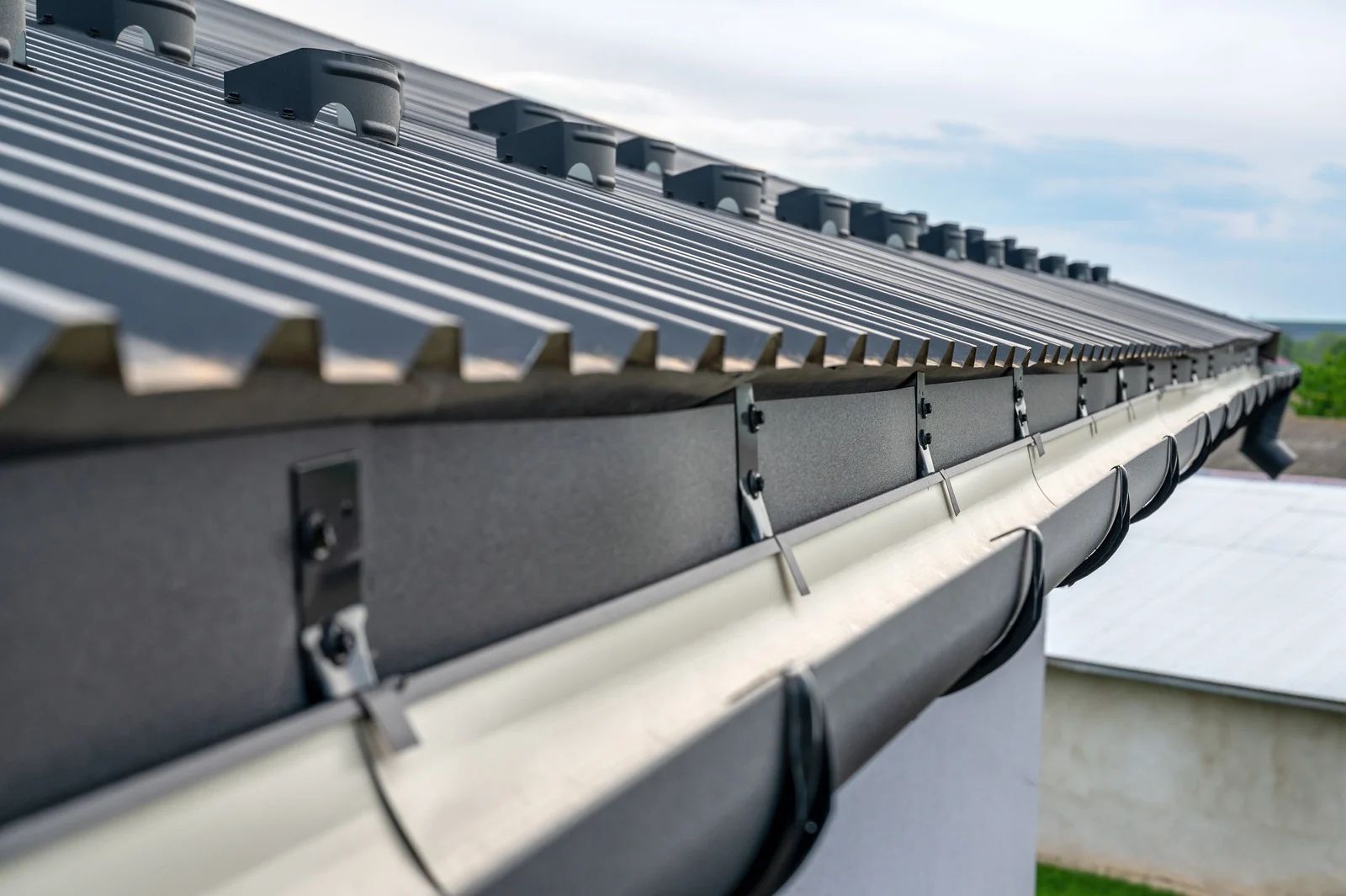
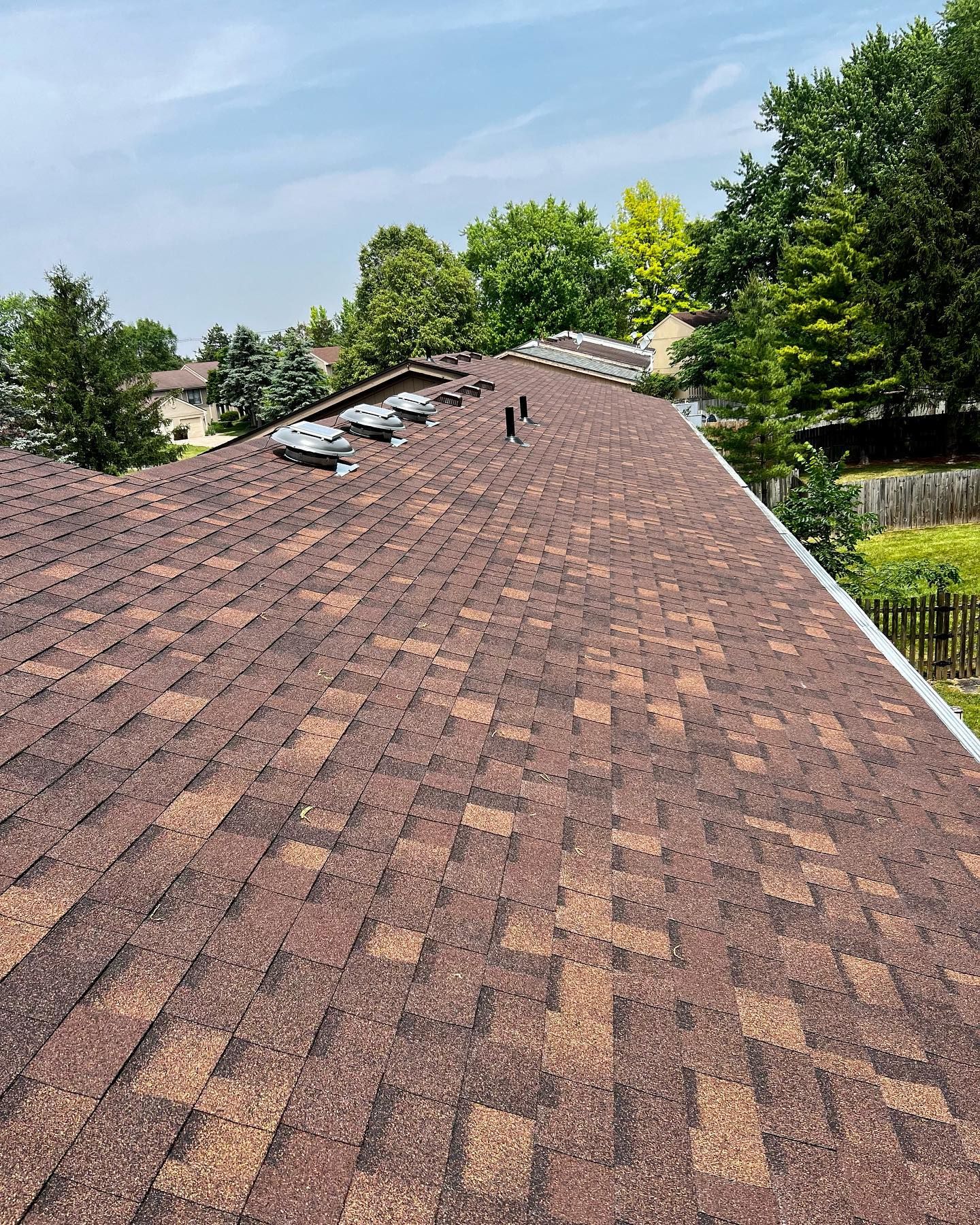
Roof leaks typically occur when the protective barrier of the roof is compromised. Common causes include damaged or missing shingles, cracked flashing, deteriorated sealants, or punctures from fallen branches. Roofs are designed to channel water away efficiently, but even small imperfections can allow water to infiltrate the underlying layers. When assessing a leak, it’s crucial to consider the roof’s age, material, and history of maintenance. For instance, asphalt shingles may curl, crack, or lose granules over time, while metal roofing can develop rust spots or seam gaps.
The Anatomy of a Chimney Leak
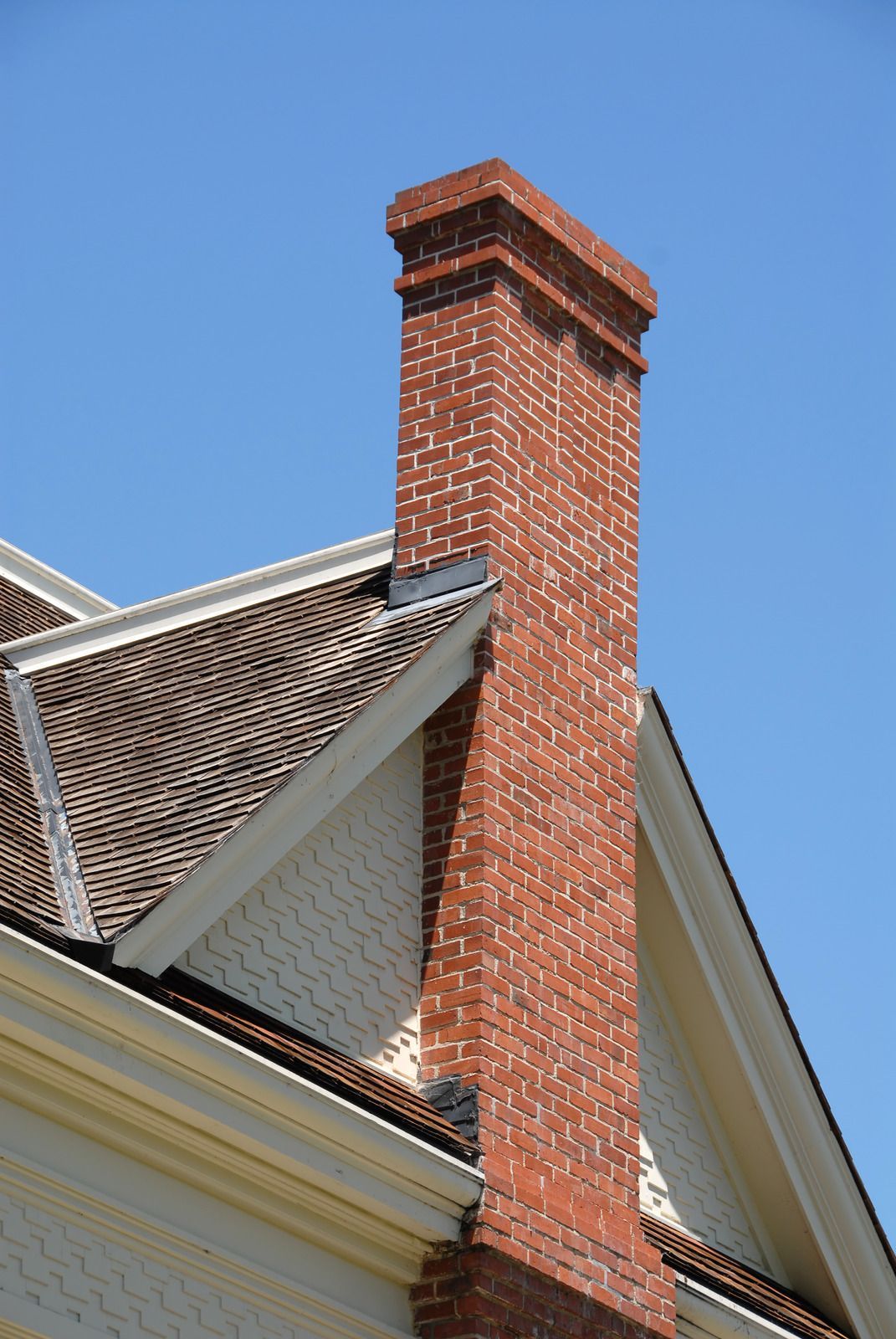
Chimney leaks are often less obvious than roof leaks but can cause significant damage if ignored. The primary sources include cracks in the masonry, deteriorated mortar joints, a damaged chimney crown, or faulty flashing where the chimney meets the roofline. Additionally, water can enter through a missing or damaged chimney cap or from gaps in the interior flue liner. Unlike roof leaks that often have clear entry points, chimney leaks can allow water to seep into attic spaces or walls gradually, making detection more challenging.
Key Differences Between Roof and Chimney Leaks
While both roof and chimney leaks involve water penetration, their behaviors differ. Roof leaks are usually more spread out and may appear after rain in multiple locations under the roof plane. Chimney leaks, on the other hand, often create concentrated wet spots around the fireplace, the ceiling directly adjacent to the chimney, or the wall behind it. Recognizing these differences is the first step toward accurate diagnosis and efficient repair.
Signs and Symptoms of Roof Leaks
Interior Indicators
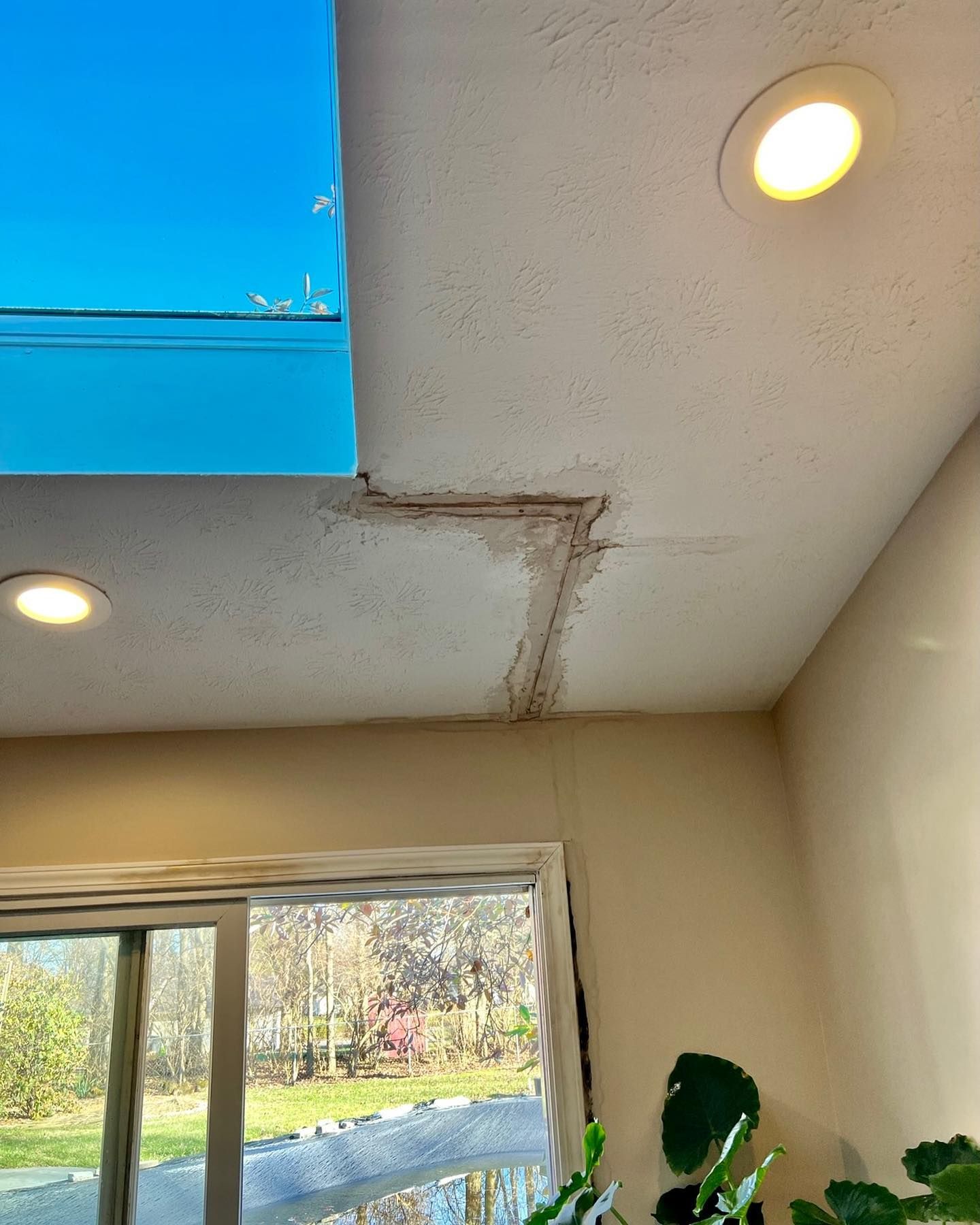
Interior signs of a roof leak often appear as water stains on ceilings or walls. These stains may be yellow, brown, or darker in color depending on the extent of water infiltration. Dripping water or moisture accumulation in the attic is another clear signal. Homeowners might also notice peeling paint, warped drywall, or even mold growth, particularly if the leak has persisted for weeks or months.
Exterior Indicators
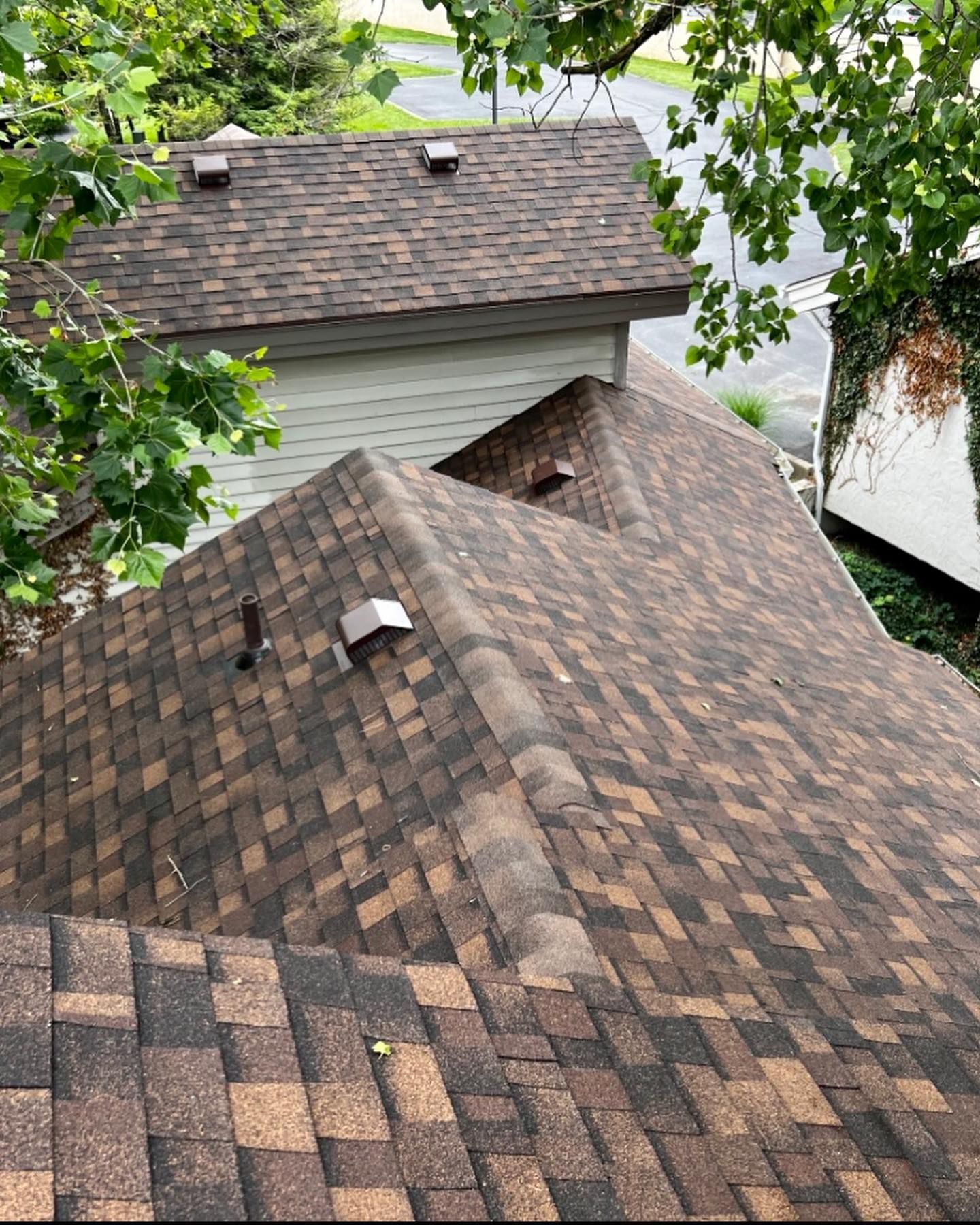
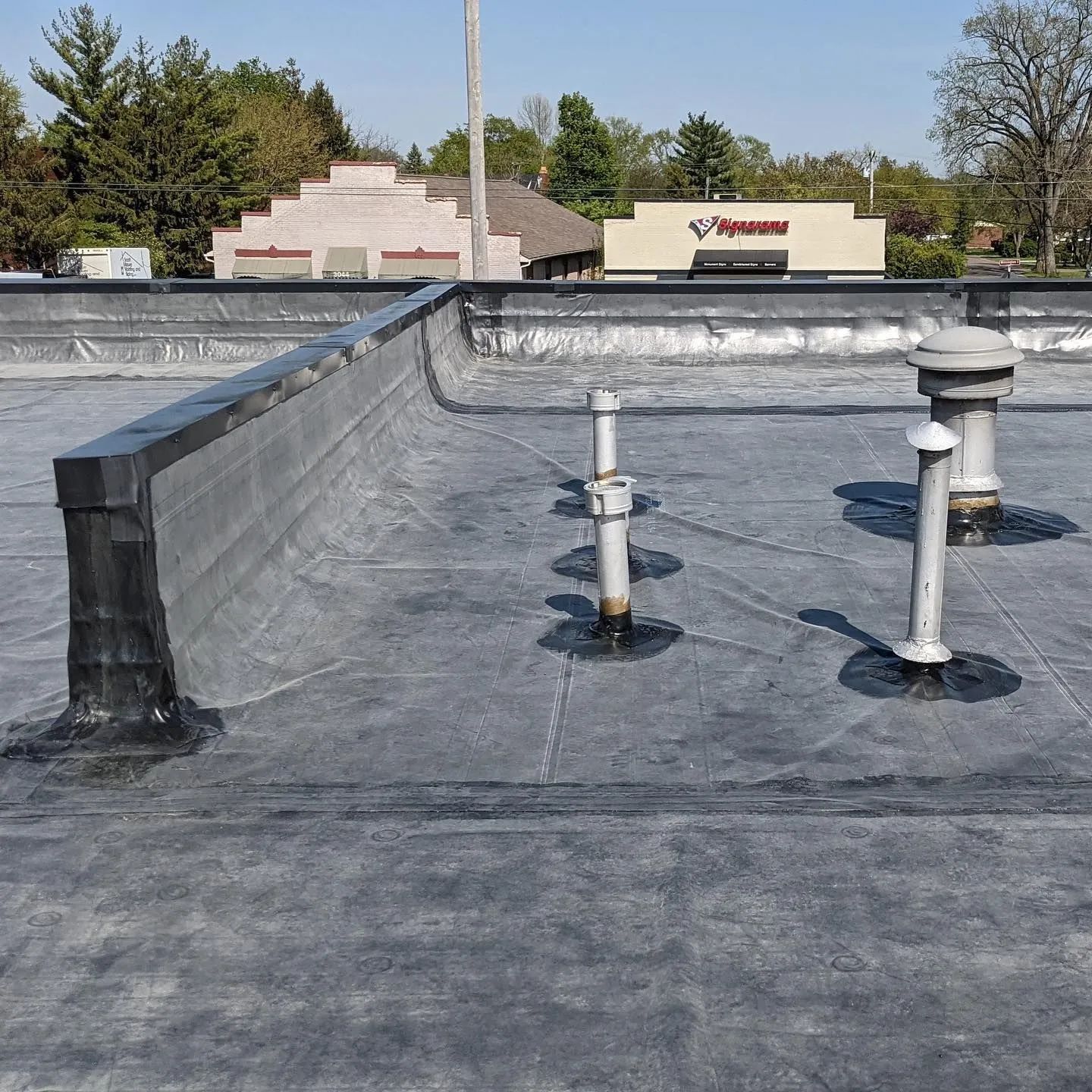
On the exterior, visible damage can be observed on the roof itself. Missing, cracked, or curled shingles are common signs, as well as rust spots on metal roofing or cracked flashing around roof penetrations like vents, skylights, or chimneys. Roof valleys and edges are particularly vulnerable areas, as they channel significant amounts of water during heavy rainfall.
Seasonal and Environmental Factors
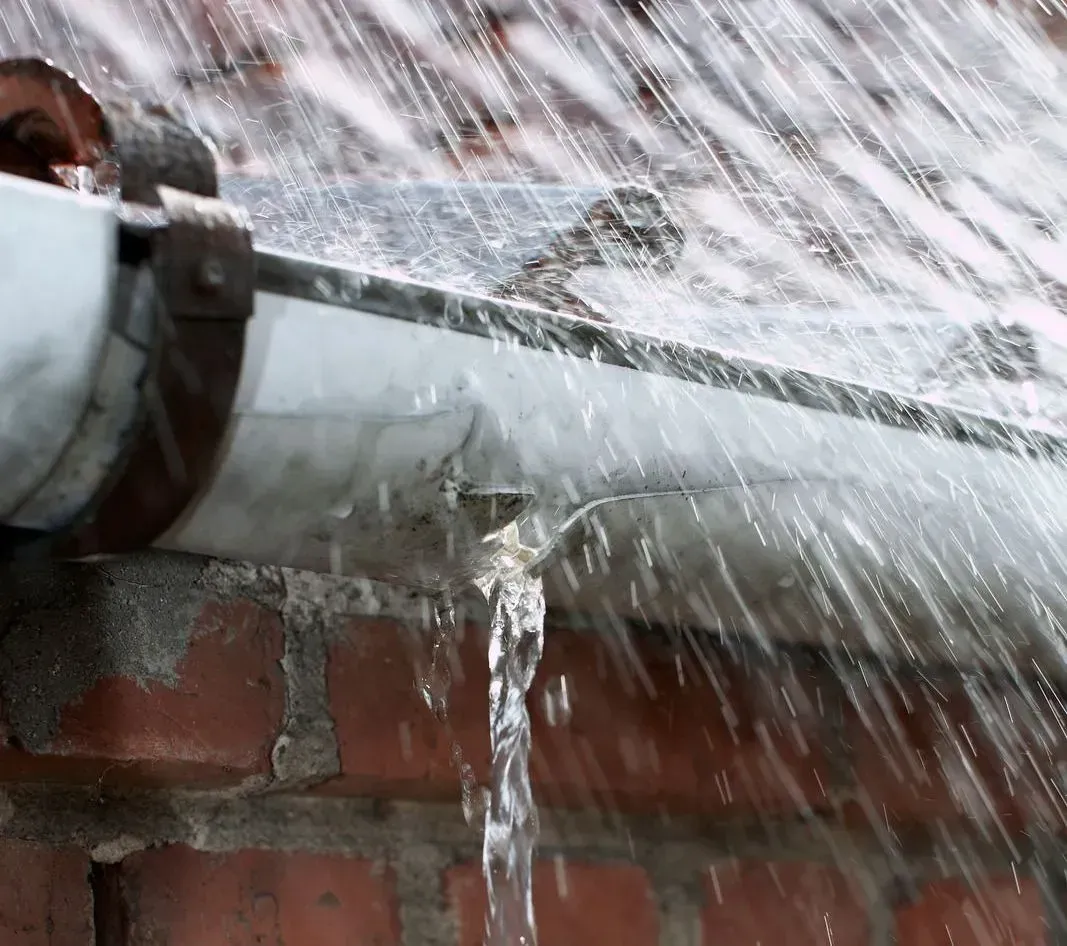
Roof leaks often worsen during storms, heavy rainfall, or after strong winds. Ice dams in colder climates can also force water under shingles, creating leaks during winter months. Recognizing these patterns can help homeowners correlate damage with roof weaknesses, guiding timely inspections and maintenance.
Best Practices for Roof Leak Detection
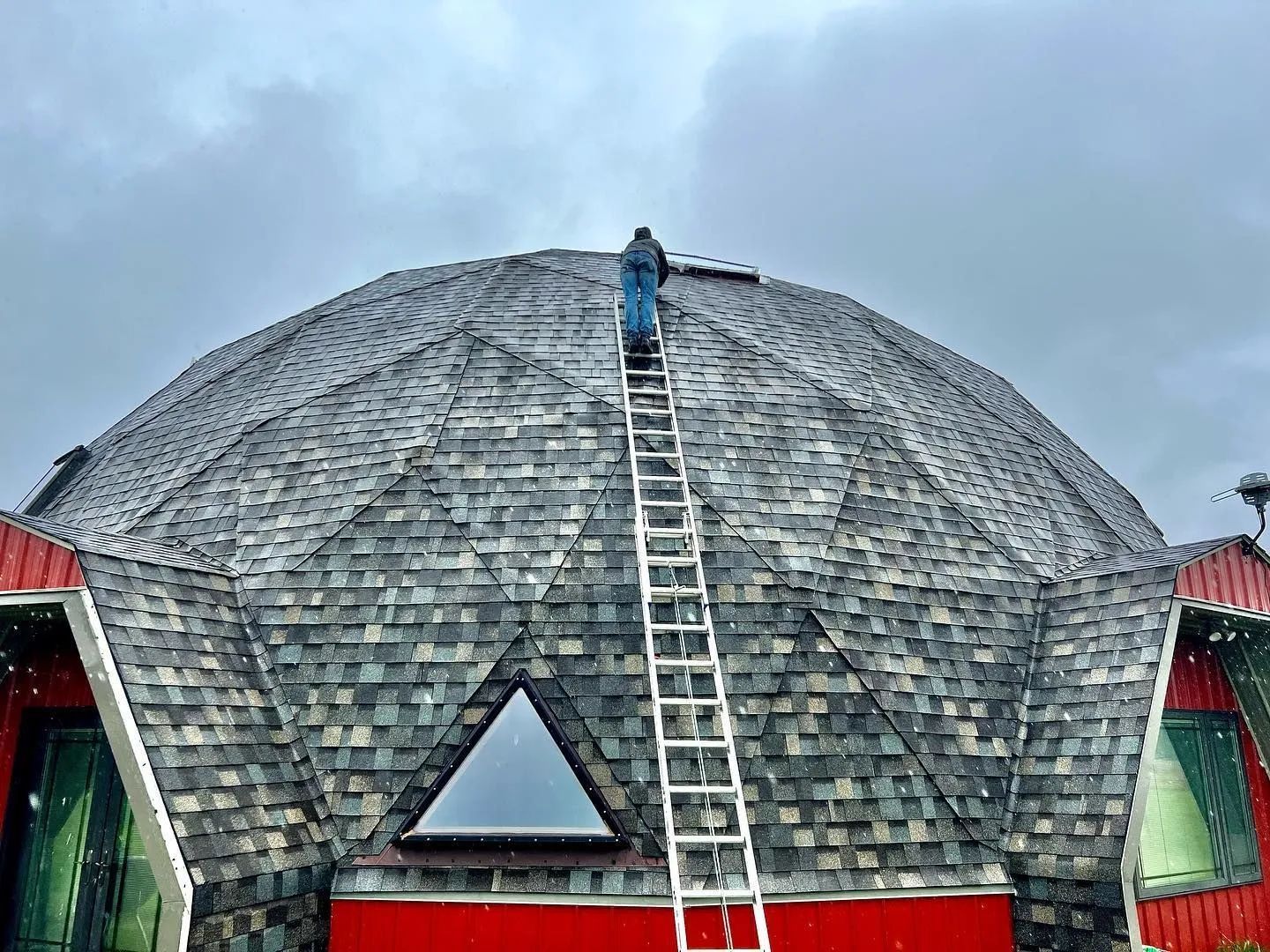
A systematic inspection is crucial. Begin by examining attic spaces after rainfall to pinpoint moisture entry points. Pair this with a roof inspection from the ground or via safe access ladders, paying attention to high-risk areas like valleys, ridges, and penetrations. Documenting signs with photos helps track changes over time and supports professional evaluations if repairs are needed.
Signs and Symptoms of Chimney Leaks
Exterior Chimney Signs
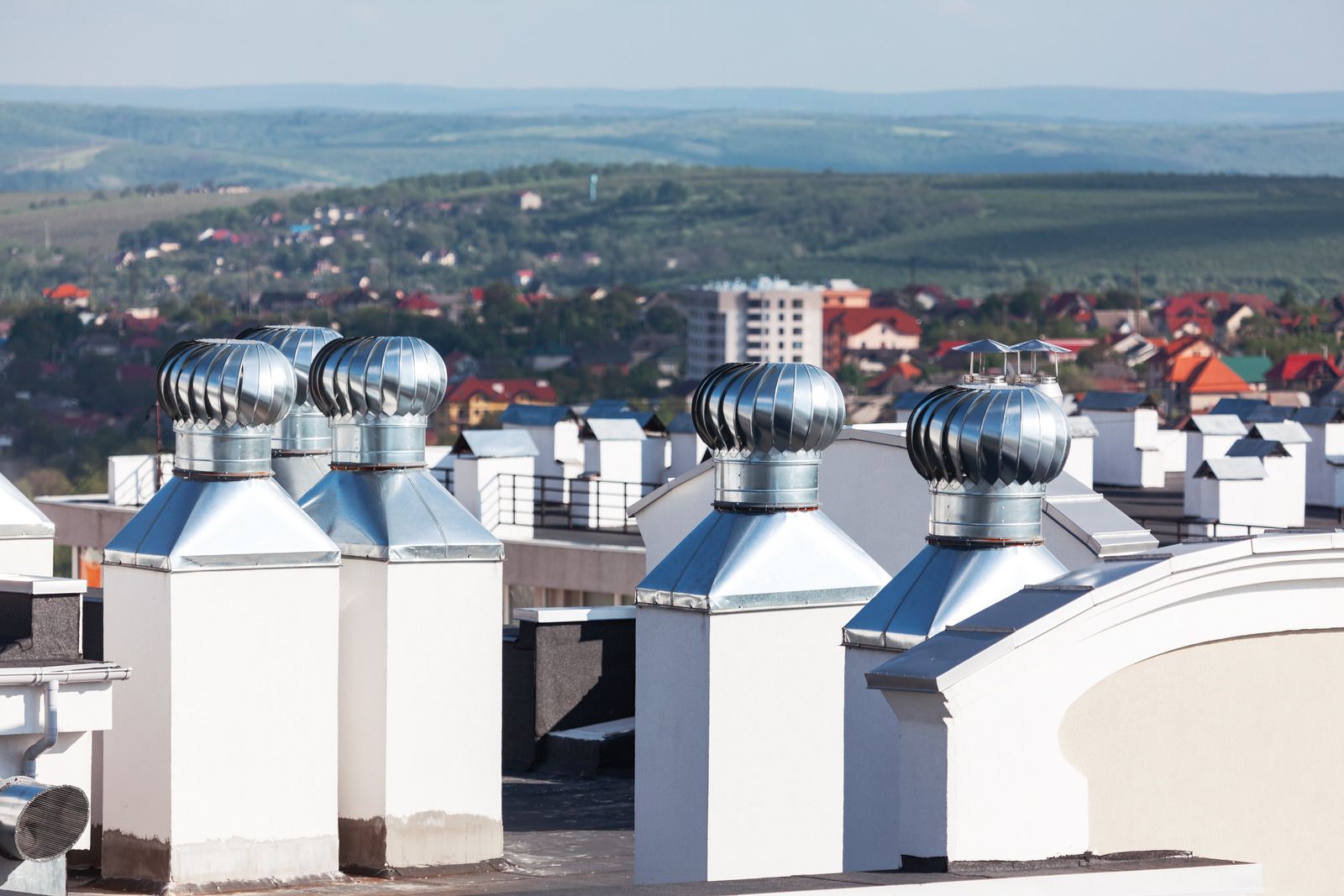
Chimney leaks often manifest differently than roof leaks. On the exterior, homeowners may notice cracked or spalling bricks, deteriorated mortar joints, or water stains on the chimney masonry. The chimney crown—the topmost portion of the structure—is especially susceptible to cracking, which can allow water to infiltrate the flue and surrounding walls. Missing or damaged chimney caps are another common entry point, exposing the flue directly to rain and snow.
Interior Chimney Signs
Inside the home, leaks associated with the chimney can cause water stains on ceilings or walls adjacent to the chimney stack. Moisture may also appear around the fireplace hearth or mantle. In some cases, water infiltration leads to mold growth, damp insulation in the attic, or wood rot within the framing near the chimney. Because chimney leaks often infiltrate slowly, the damage might not be immediately apparent, making regular inspections vital.
Environmental Influences
Chimney leaks are often exacerbated by seasonal temperature fluctuations. Freeze-thaw cycles can expand existing cracks in masonry, allowing water to penetrate deeper. Heavy rainfall and ice accumulation also increase the likelihood of leaks. Recognizing environmental patterns alongside visible signs can help homeowners identify chimney-related water issues.
Expert Advice for Chimney Leak Detection
Professional chimney inspections are recommended for accurate assessment. A chimney sweep or roofing specialist can perform a thorough check of masonry, flashing, and the crown. Water tests may also be conducted to identify weak points, ensuring repairs target the actual source rather than secondary damage areas.
Common Confusions and Misdiagnoses
Overlapping Symptoms
One of the main challenges in diagnosing leaks is that roof and chimney problems often present similar symptoms. Water stains on the ceiling or walls can be caused by either source, and interior drip patterns may mislead homeowners. For example, a chimney leak may appear to be a roof leak if water travels along the roof deck before dripping into the attic.
Mistaken Repairs
Misdiagnosing the source can result in unnecessary repairs. Homeowners may replace shingles or patch roof areas only to find the leak persists because the true origin is the chimney. Conversely, investing in chimney repairs without inspecting the roof may fail to stop water intrusion if the roof flashing or shingles are compromised.
Preventive Measures to Avoid Confusion
To avoid costly mistakes, homeowners should take a holistic approach. Combining interior inspection with exterior examination and considering environmental conditions increases accuracy. Documenting leak patterns over multiple rain events also provides valuable insight. In cases of uncertainty, engaging certified roofing and chimney professionals ensures that both potential sources are evaluated comprehensively.
Expert Approaches to Identifying the Source
Professional Roof Assessment
Experienced roofing professionals employ detailed inspection techniques to locate leak sources. Infrared thermography, moisture meters, and attic inspections can reveal hidden damage in roofing materials. Professionals also assess flashing, vents, skylights, and valleys, where leaks commonly originate.
Professional Chimney Assessment
Chimney experts use specialized tools to inspect masonry, flue liners, and crowns. High-powered cameras may be employed to examine interior flue conditions, while water tests simulate rain exposure to identify entry points. These methods allow accurate identification of leaks that are not immediately visible from ground-level inspection.
Combined Strategies
Often, a combined evaluation is most effective. Professionals may examine both the roof and chimney simultaneously, especially in cases where leaks are near the chimney stack. Coordinated inspections prevent misdiagnosis, streamline repair plans, and ensure that all contributing factors are addressed.
Benefits of Professional Evaluation
Hiring trained professionals offers several advantages. First, it prevents unnecessary repairs, saving time and money. Second, it ensures safety, as working on roofs or chimney tops can be hazardous. Finally, expert inspections provide peace of mind, as repairs are based on accurate identification of the problem rather than assumptions.
Expert Roofing Solutions Backed by Proven Experience
Determining whether a leak originates from the roof or chimney is critical for effective home maintenance. By understanding the distinct signs, evaluating environmental factors, and recognizing overlapping symptoms, homeowners can make informed decisions and avoid costly misdiagnoses. Roof leaks often present with widespread attic or ceiling moisture, damaged shingles, and compromised flashing, while chimney leaks typically involve masonry cracks, crown damage, and water stains near the chimney interior or adjacent walls. Accurate detection ensures that repairs are targeted, efficient, and long-lasting.
For homeowners in Centerville, Ohio, trusting experienced professionals can make all the difference. Chimney Rock Roofing & Construction, LLC, with 20
years of experience, specializes in both
roof and chimney evaluations, repairs, and preventive maintenance. Our team provides comprehensive inspections to identify the exact source of leaks, offering reliable solutions that safeguard your home. Combining technical expertise with local knowledge, we ensure high-quality workmanship, efficient service, and lasting protection for your property.