Do You Really Need Roofing & Chimney Inspections? Hidden Problems Homeowners Miss
Owning a home comes with numerous responsibilities, and two critical areas often overlooked are the roof and chimney. Many homeowners assume that minor issues like a missing shingle or a slight discoloration in the chimney are cosmetic and can be ignored. However, these seemingly small problems can develop into costly repairs if left undetected. Routine roofing and chimney inspections serve as a proactive approach to identifying hidden issues before they escalate into structural damage, water intrusion, or safety hazards. In a market where property value, insurance claims, and long-term durability matter, neglecting inspections can compromise both your home’s integrity and your peace of mind.
While it’s tempting to defer inspections until visible damage appears, many underlying problems remain concealed to the untrained eye. Water infiltration, deteriorating flashing, cracked masonry, or clogged flues may not show immediate signs but can quietly worsen over time. Professional inspections provide homeowners with detailed assessments, actionable recommendations, and a preventative maintenance roadmap. By understanding the importance of these evaluations, you not only safeguard your investment but also enhance the longevity, safety, and efficiency of your home. In this article, we explore the hidden problems that often go unnoticed, why inspections are essential, and how they benefit homeowners in both the short and long term.
Understanding Roofing Inspections
Why Roofing Inspections Matter
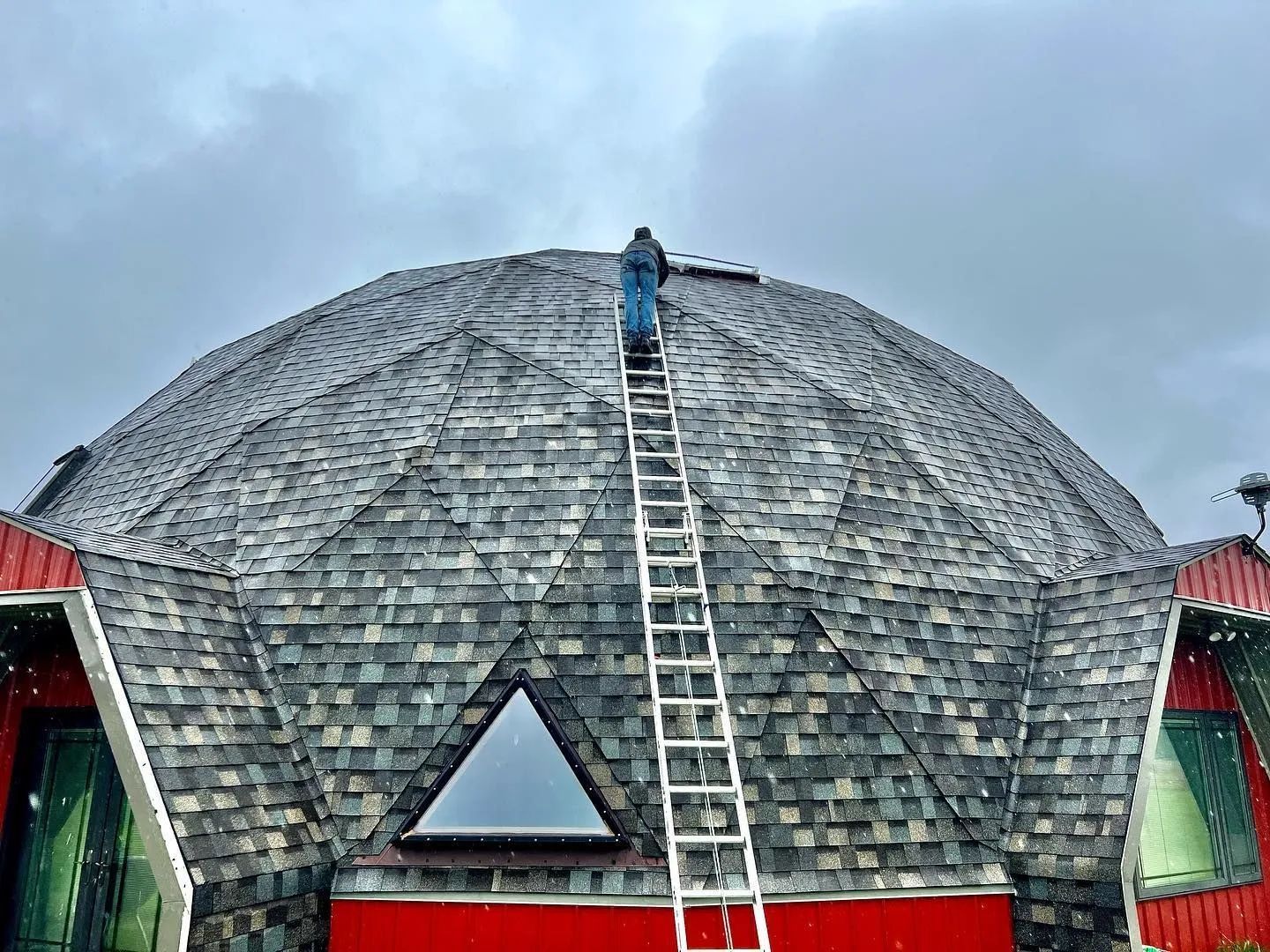
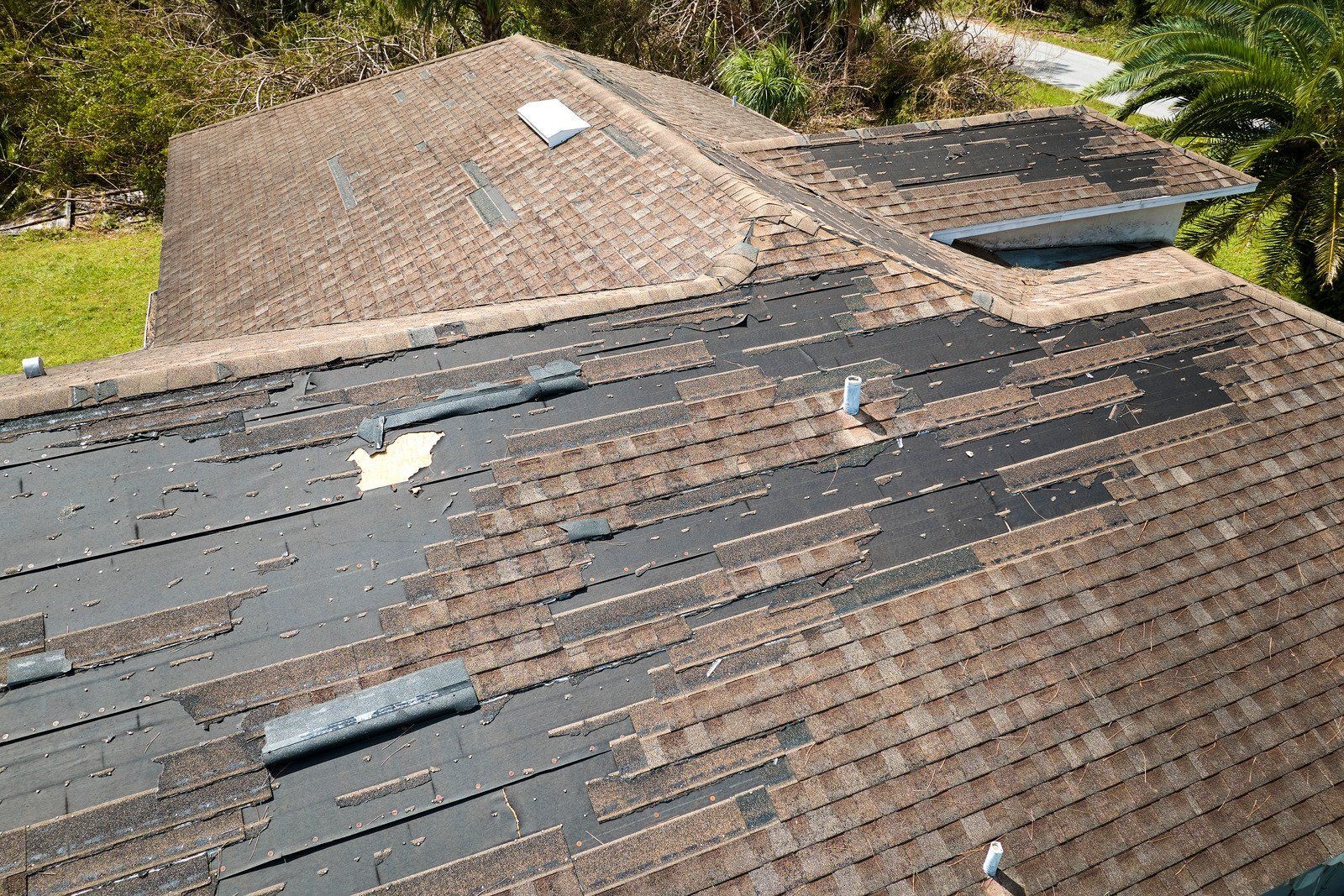
Your roof is the first line of defense against harsh environmental elements such as rain, snow, wind, and damaging UV radiation. Over time, even high-quality roofing materials can naturally deteriorate due to wear and tear, extreme weather conditions, or unforeseen storm events. Regular roofing inspections help identify vulnerabilities that could compromise your home’s long-term safety, such as loose or missing shingles, damaged underlayment, weakened flashing, and potential leaks that often go unnoticed. Many homeowners only recognize roofing issues when water stains appear on ceilings or interior walls, by which point substantial internal damage may already be significant and costly to repair.
Common Roofing Problems Often Overlooked
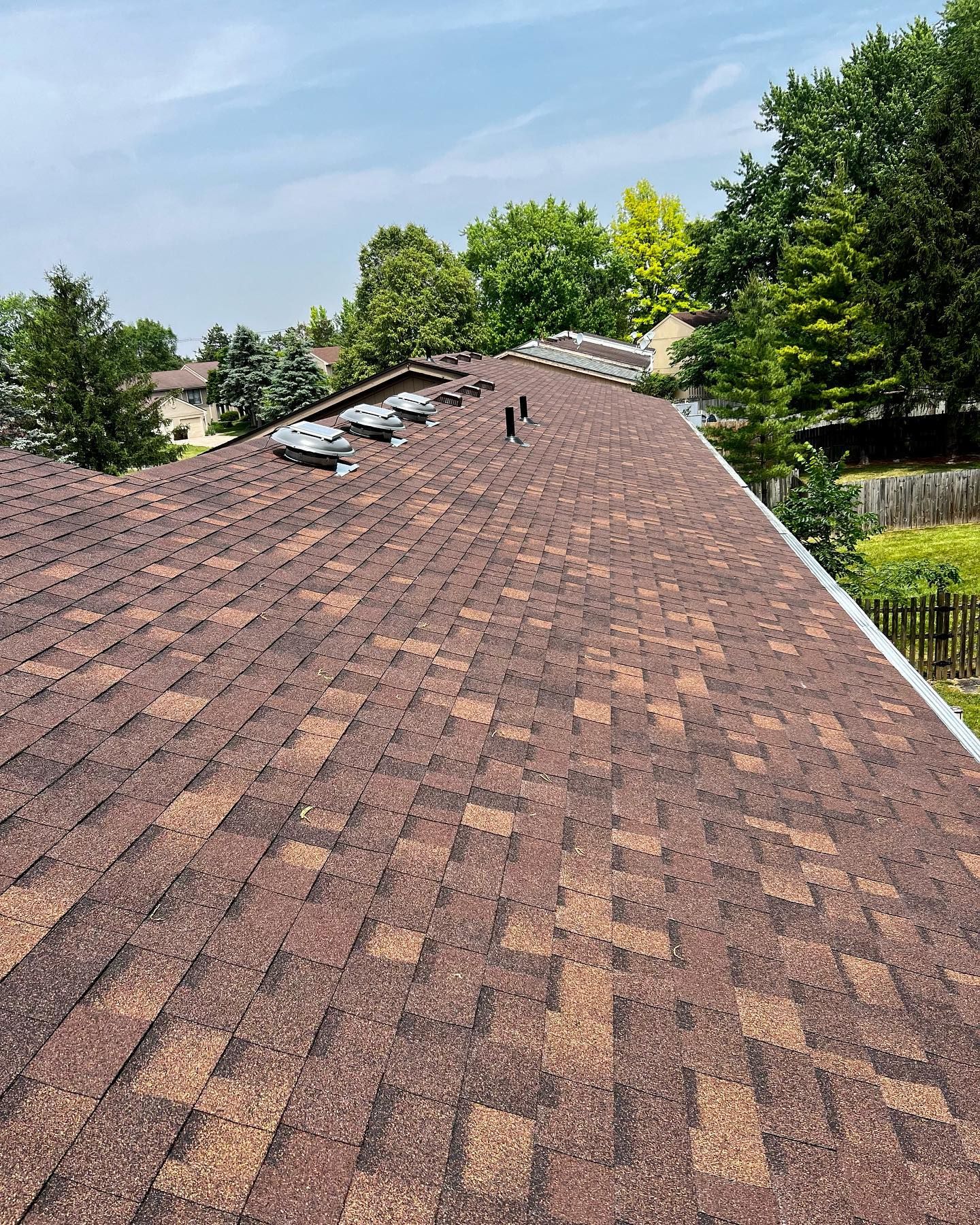
- Shingle Deterioration: Shingles may look intact but can lose protective granules, curl, or become brittle over time, leading to potential water penetration and structural concerns.
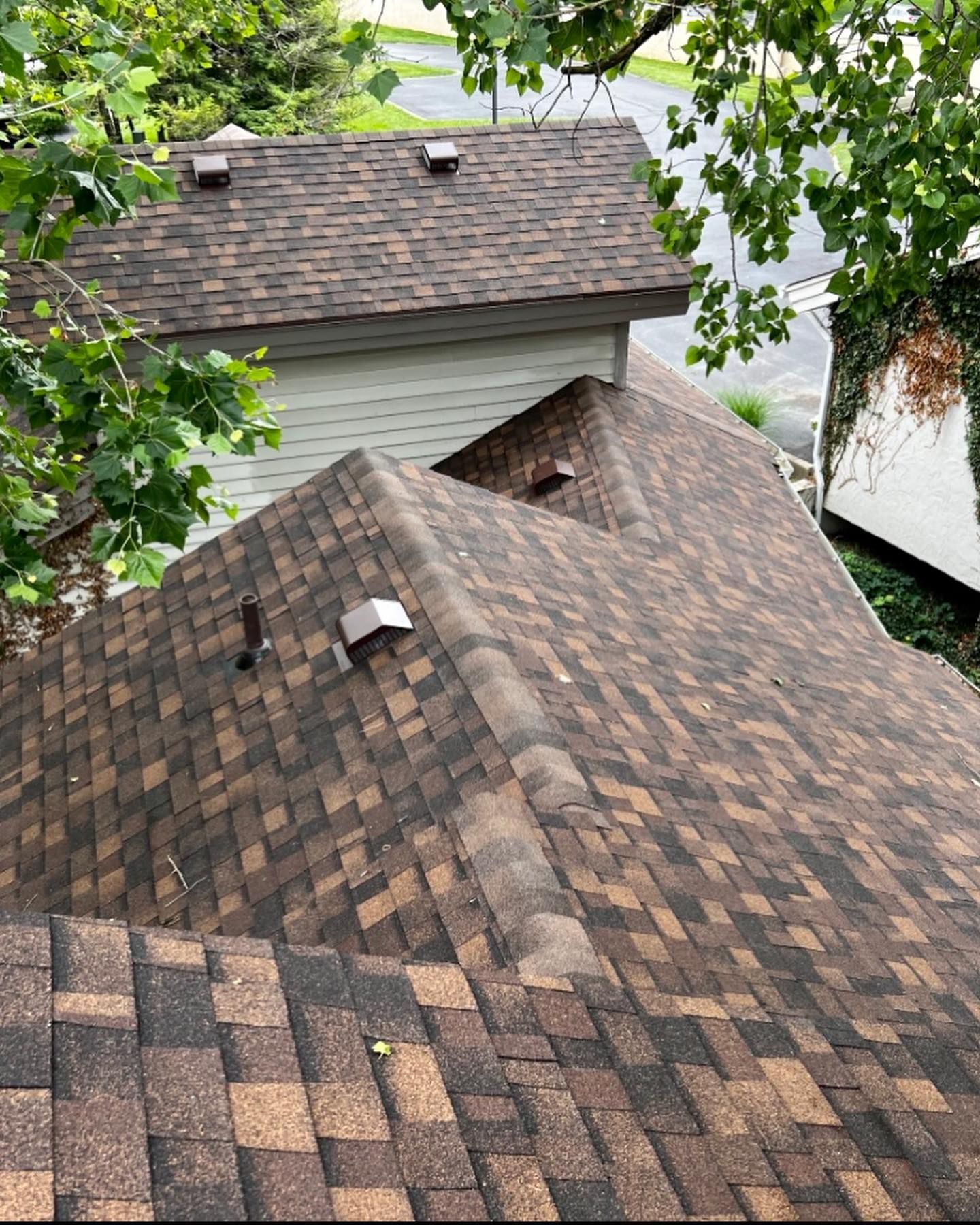
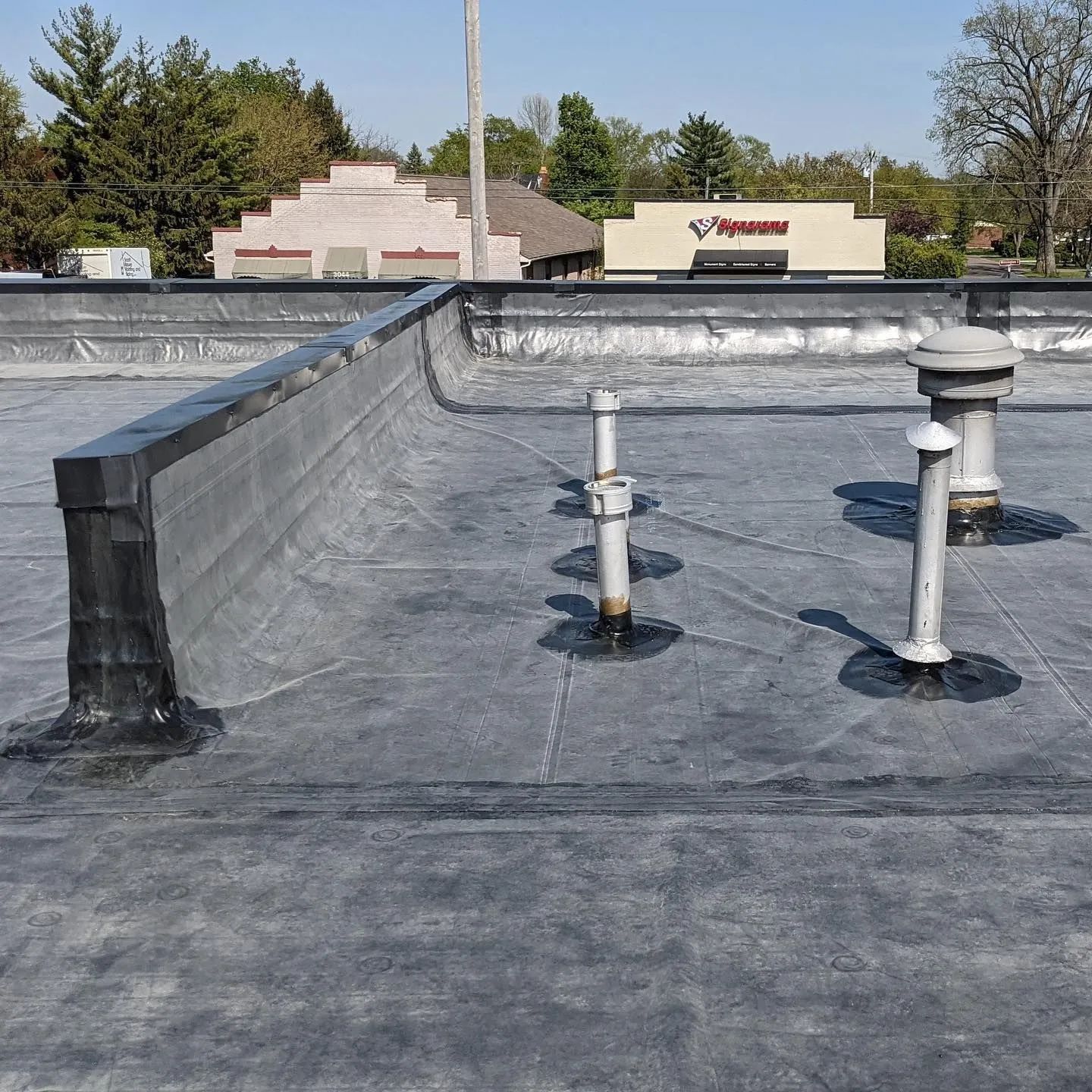
- Flashing Issues: Improper or deteriorated flashing around chimneys, skylights, and vents can create leaks that damage roof decking, insulation, and interior walls extensively.
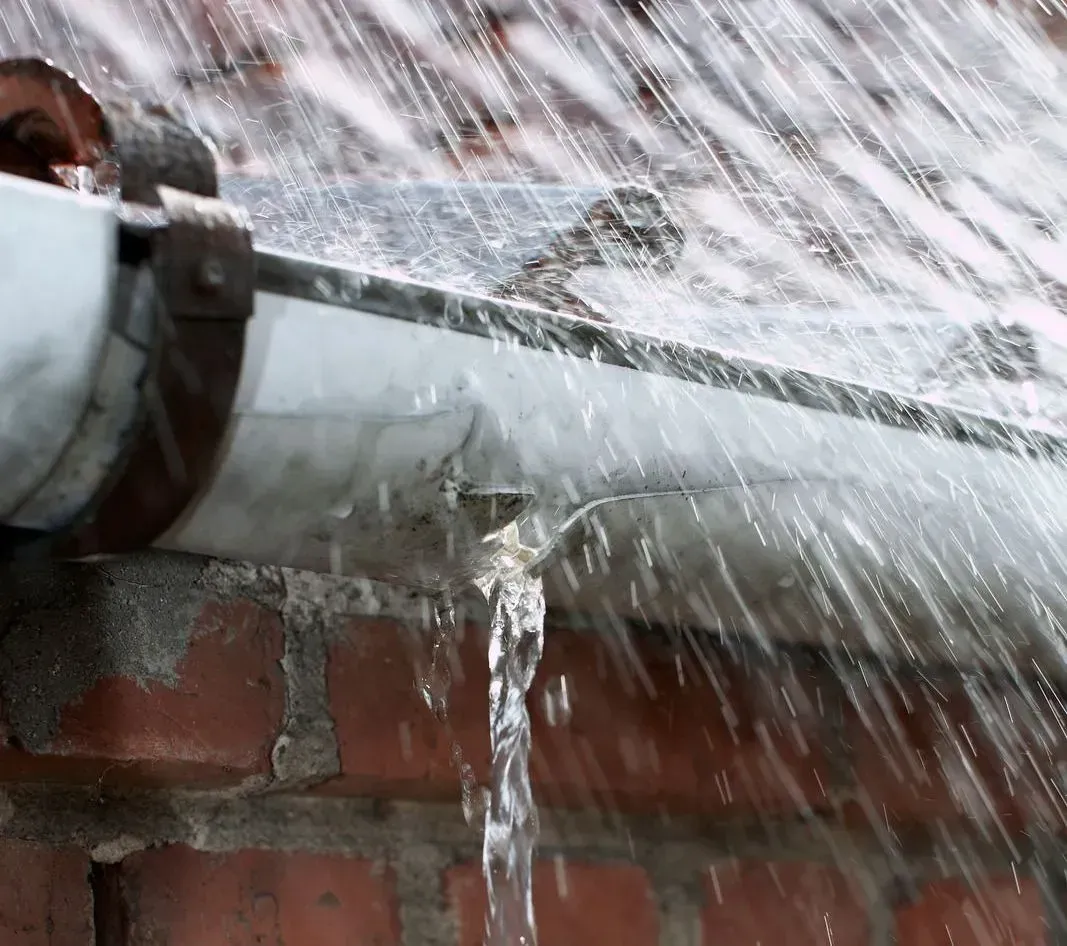
- Gutter Damage: Blocked, loose, or detached gutters prevent proper drainage, resulting in water pooling that accelerates roof, fascia, and soffit deterioration.
- Roof Valleys and Ridges: These areas are particularly vulnerable to debris accumulation, ice dams, and water seepage, which often go unnoticed until significant damage occurs.
Benefits of Proactive Roofing Inspections
- Early Detection Saves Money: Identifying minor issues early prevents expensive repairs, roof replacement, and interior water damage.
- Insurance Compliance: Many homeowner insurance policies require regular inspections to maintain coverage for potential storm or accidental damage claims.
- Enhanced Lifespan: Routine inspections and maintenance extend the roof’s overall lifespan by preventing rot, mold, and structural decay before they worsen.
Real-world scenario: A homeowner in Ohio discovered a small, hidden leak during a routine inspection, which, if ignored, could have caused ceiling collapse and severe interior water damage. Early detection allowed for a cost-effective repair rather than an expensive full roof replacement solution.
Understanding Chimney Inspections
The Role of Chimney Inspections
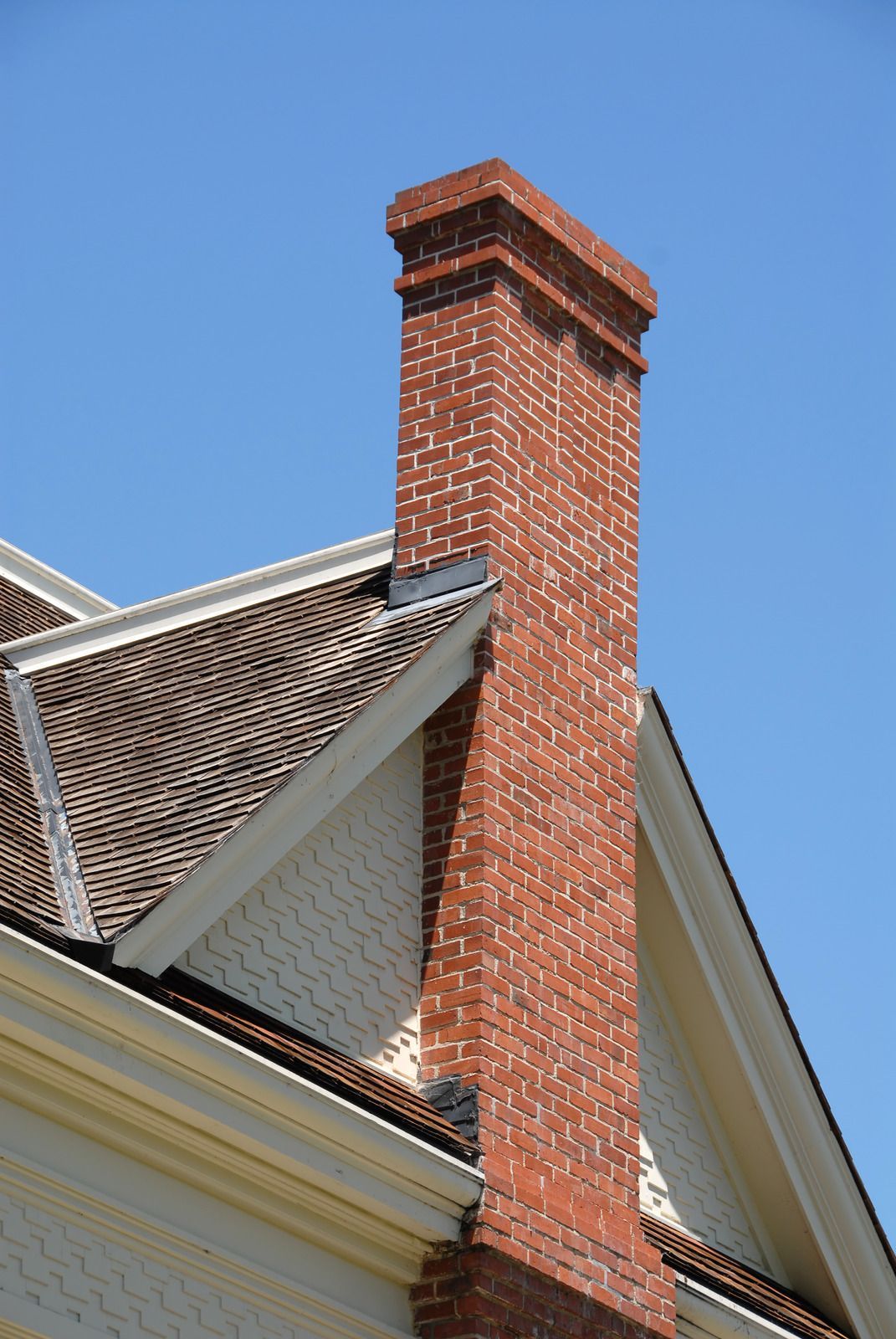
Chimneys are frequently overlooked components of home maintenance, yet they are critical for both functionality and household safety. A compromised chimney can result in carbon monoxide poisoning, fire hazards, or even partial structural collapse if left untreated. Chimney inspections assess the overall integrity of masonry, liners, flue systems, and ventilation to ensure the home’s heating system operates safely and efficiently. Regular inspections provide homeowners with a detailed understanding of potential risks and a maintenance plan to prevent serious long-term issues.
Hidden Chimney Problems
- Cracked or Deteriorating Masonry: Weathering, freeze-thaw cycles, and temperature fluctuations can cause bricks or mortar to crack, weakening the structure and allowing water infiltration.
- Obstructed Flues: Creosote buildup, animal nests, or debris can block chimneys, increasing fire risk and reducing proper draft efficiency.
- Damaged Chimney Caps and Crowns: Missing, cracked, or deteriorated caps allow water, debris, and small animals to enter, accelerating masonry damage and compromising safety.
- Efflorescence: White mineral deposits indicate ongoing moisture issues that can lead to spalling bricks, mortar failure, and structural weakening over time.
Benefits of Routine Chimney Inspections
- Fire Prevention: Detecting creosote accumulation and structural weaknesses reduces the risk of chimney fires and home hazards significantly.
- Energy Efficiency: Properly maintained chimneys improve draft performance, heating efficiency, and overall energy costs for homeowners.
- Structural Safety: Early detection of masonry cracks or crown deterioration prevents more extensive, dangerous, and costly failures in the future.
Example scenario: A Centerville homeowner ignored a small crack in the chimney crown, which eventually allowed water intrusion over multiple seasons. A routine professional inspection could have caught the problem early, avoiding expensive masonry repairs and interior water damage to the home.
The Intersection of Roofing and Chimney Problems
How Roof and Chimney Issues Interact
Roofs and chimneys are interconnected; an issue in one system often exacerbates problems in the other. For example, improper or damaged flashing around the chimney can cause roof leaks, attic water damage, and even mold growth. Similarly, chimney deterioration can compromise the roof structure, particularly when water infiltration or freezing occurs. Many homeowners assume roofing and chimney problems are separate, but experienced professionals understand the systemic relationship between the two components. Understanding this connection ensures a holistic approach to home maintenance.
Key Areas of Concern
Flashing Failures: The junction between roof shingles and chimney masonry is highly susceptible to leaks if not properly sealed or maintained over time.
Ice Dams and Water Intrusion: In colder climates, ice dams can force water under shingles and into the chimney, causing combined structural damage that worsens over time.
Structural Load: Heavy snow, rain, or water pooling on the roof can put stress on weakened chimney masonry, potentially leading to partial collapse or dangerous conditions.
Proactive Maintenance Strategies
- Schedule simultaneous roof and chimney inspections to evaluate both systems for interrelated risks effectively.
- Clear debris from roof valleys and chimney bases to prevent water pooling or unnecessary structural stress.
- Inspect flashing, chimney crowns, and masonry regularly to maintain long-term integrity and performance.
By understanding the link between roofing and chimney systems, homeowners can address potential problems holistically, prevent costly repairs, and maintain a safer, more durable home environment.
Signs You Shouldn’t Ignore
Visual and Functional Clues
Even without professional expertise, certain indicators can reveal hidden roof or chimney problems:
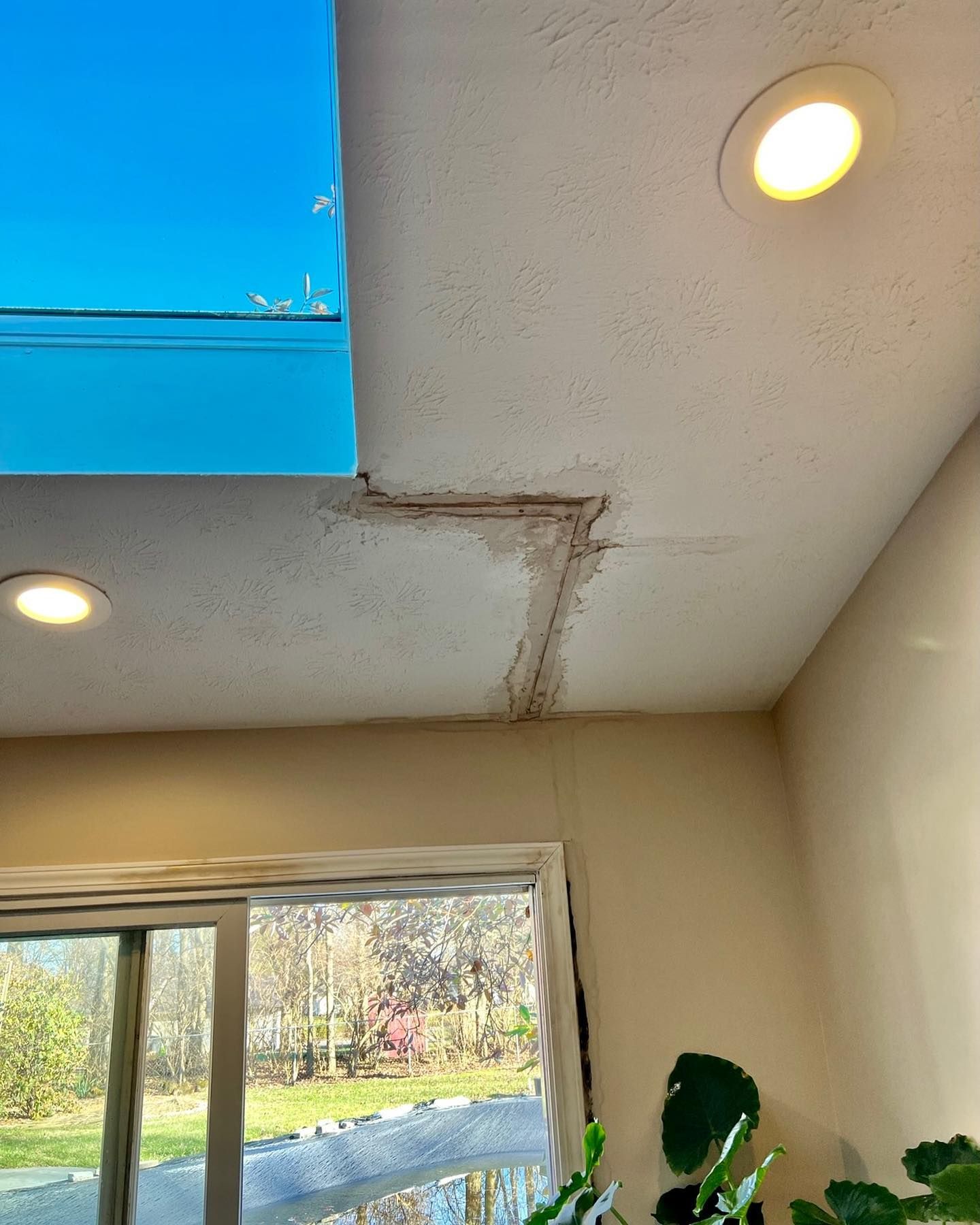
- Water Stains or Leaks: Discoloration on ceilings or in attic spaces often signals roof or chimney leaks needing immediate attention.
- Sagging Roof Decking: Uneven rooflines or soft spots suggest structural compromise or internal water damage.
- Cracked Bricks or Mortar: Visible masonry damage can indicate deeper, unseen chimney structural issues.
- Unusual Drafts or Smoke Leakage: Improper draft or smoke backflow may suggest blocked flues or damaged liners.
Why Homeowners Miss These Signs
Many homeowners focus primarily on appearance rather than structural integrity. Minor cracks, moss growth, or small leaks often go unnoticed until they develop into severe, costly issues. Seasonal inspections, particularly after storms or heavy snowfall, help homeowners identify subtle warning signs before they escalate into major problems.
Expert Insight
Professional inspectors use specialized tools, including moisture meters, thermal imaging, and video cameras, to uncover hidden issues that are not visible during casual observation. These advanced methods detect water intrusion behind shingles, blocked flues, or areas of rot, providing homeowners with a complete, accurate picture of necessary repairs and preventive measures.
Best Practices for Homeowners
Scheduling Regular Inspections
Experts recommend roof inspections at least twice annually—typically during spring and fall—and following major storms or extreme weather events. Chimney inspections should occur annually, especially if the fireplace, wood stove, or heating system is in frequent use, to ensure proper functioning.
Hiring Qualified Professionals
Choose licensed, insured, and experienced inspectors who adhere to industry standards for roofing and chimney assessments. Verify references, read online reviews, and ensure the inspection includes a comprehensive written report with actionable recommendations for repairs or maintenance.
Maintaining a Preventive Mindset
- Keep gutters and downspouts clean to prevent water backup and roof damage.
- Trim overhanging tree branches to reduce risk of roof or shingle damage.
- Install chimney caps to minimize debris and animal intrusion, protecting masonry.
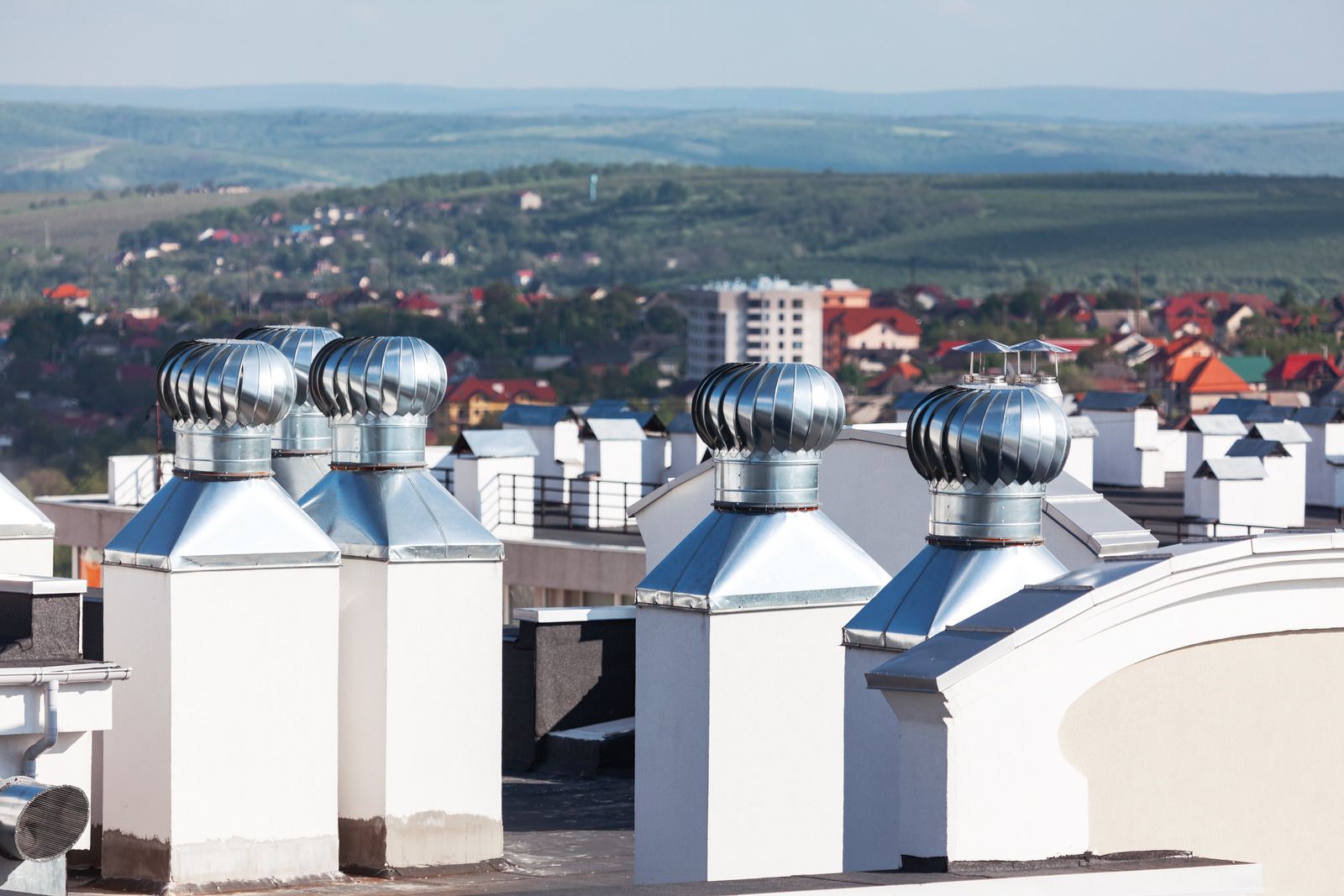
- Monitor attic ventilation to prevent excess moisture buildup and hidden rot.
Example scenario: A Centerville homeowner ignored a small crack in the chimney crown, which eventually allowed water intrusion over multiple seasons. A routine professional inspection could have caught the problem early, avoiding expensive masonry repairs and interior water damage to the home.
Reliable Home Protection Through Expert Roofing Inspections
Regular roofing and chimney inspections are not just a precaution—they are a necessity for protecting your home, health, and investment. From identifying hidden leaks and structural weaknesses to preventing fire hazards and costly repairs, inspections provide critical insights that homeowners often overlook. By understanding the signs, engaging professional services, and embracing preventive maintenance, homeowners can ensure the longevity, safety, and efficiency of their property.
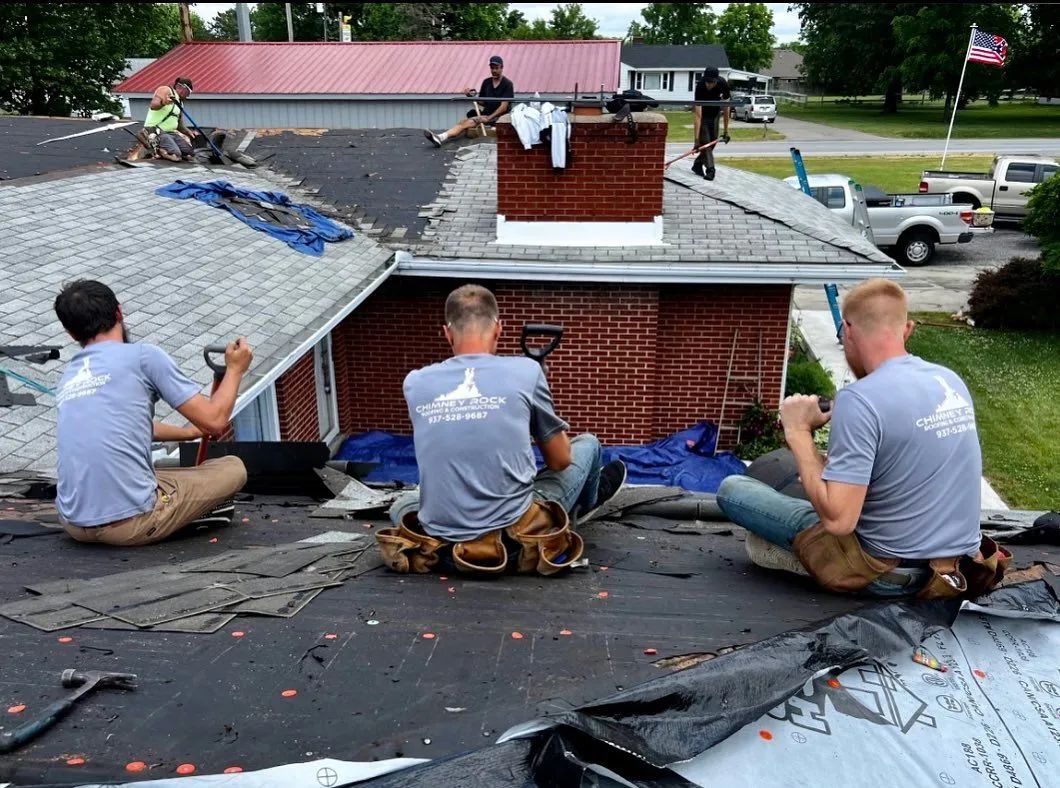
Chimney Rock Roofing & Construction, LLC, based in Centerville, Ohio, brings 20
years of expertise to every roofing and chimney inspection. Our team prioritizes thorough assessments, accurate reporting, and actionable solutions, helping homeowners make informed decisions before minor issues escalate. With a focus on quality, safety, and transparency, we have built a trusted reputation for protecting homes across the region. Whether it’s detecting hidden water damage, repairing compromised masonry, or providing maintenance guidance, our experienced professionals deliver peace of mind, ensuring your home remains safe, efficient, and structurally sound for years to come.