What to Expect When Hiring a Roofing & Chimney Specialist (Step-by-Step Guide)
Hiring a roofing and chimney specialist is a significant decision for any homeowner. Roofs and chimneys are essential components of a home's structure, ensuring safety, energy efficiency, and protection against harsh weather. Whether it's a minor repair, a full roof replacement, or chimney maintenance, selecting the right expert is crucial to guarantee quality workmanship, longevity, and peace of mind. Many homeowners underestimate the complexity of these projects, often leading to rushed decisions or overlooked details. Understanding what to expect before, during, and after hiring a specialist provides clarity and confidence throughout the process.
A clear, structured approach can transform a potentially stressful home improvement project into a smooth, predictable experience. From initial consultation to final inspection, every stage of the roofing and chimney project involves critical decisions that influence the outcome. This guide breaks down each step, highlighting what homeowners should anticipate, common challenges, best practices, and practical insights. Following this roadmap ensures informed choices, prevents costly mistakes, and delivers long-lasting results. By understanding the process from start to finish, homeowners can confidently manage expectations, protect investments, and maintain the value and safety of their property.
1. Initial Consultation and Assessment
Scheduling the Consultation
The first step in any roofing or chimney project is scheduling an initial consultation. This provides an opportunity to outline needs, assess the property, and gather essential information about the scope of work. During this stage, it is crucial to have a clear understanding of what issues are present, whether it involves leaks, damaged shingles, chimney cracks, or ventilation concerns.
On-Site Inspection
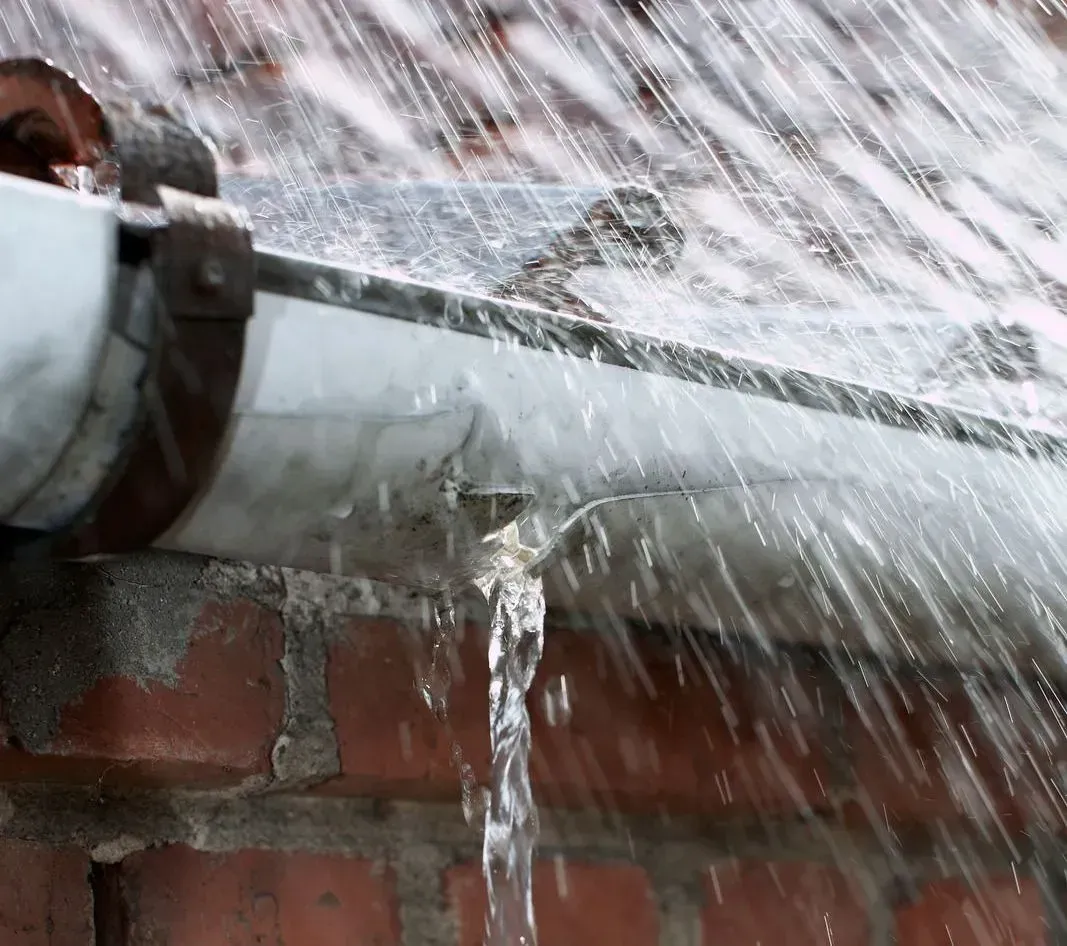
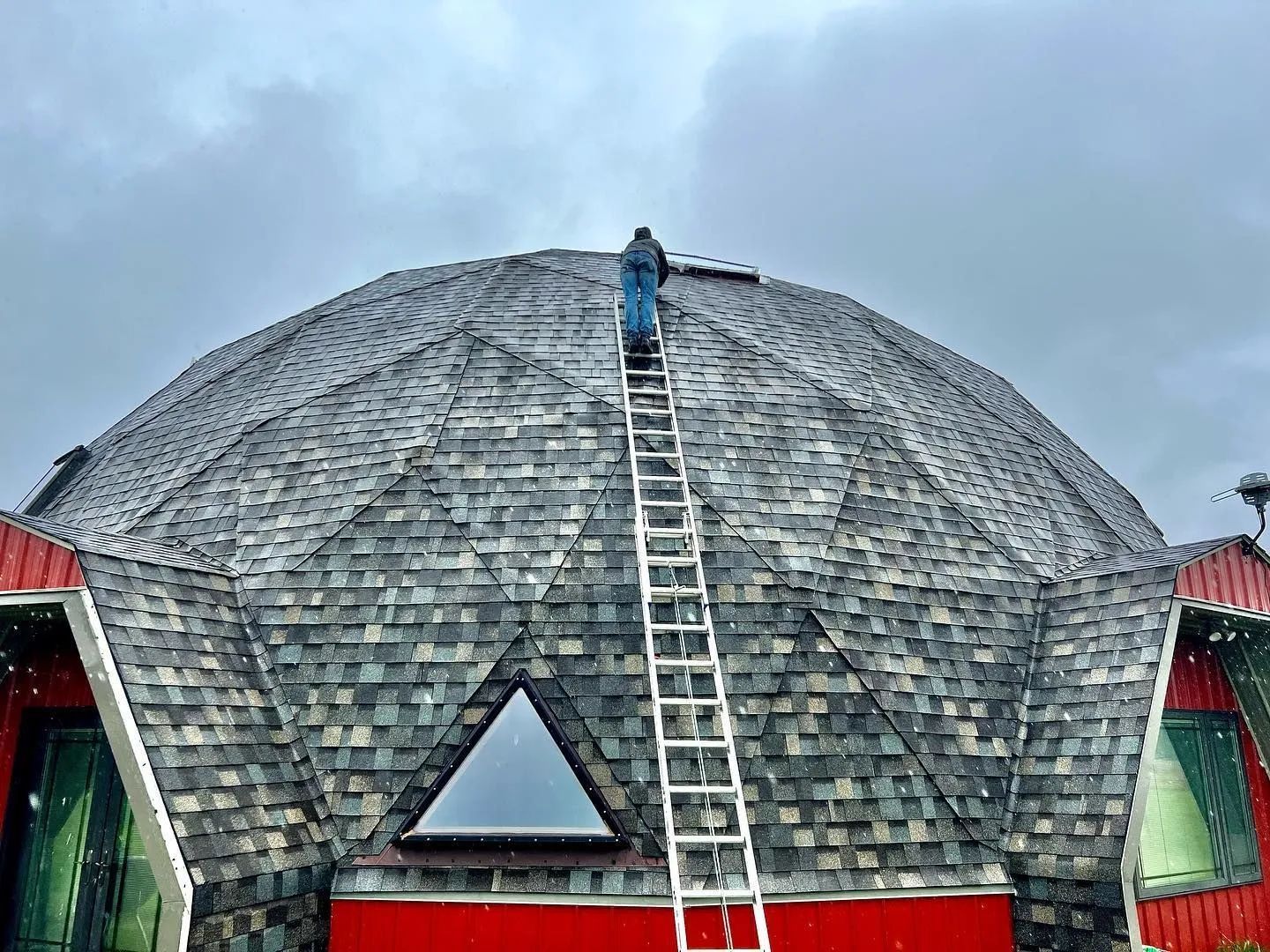
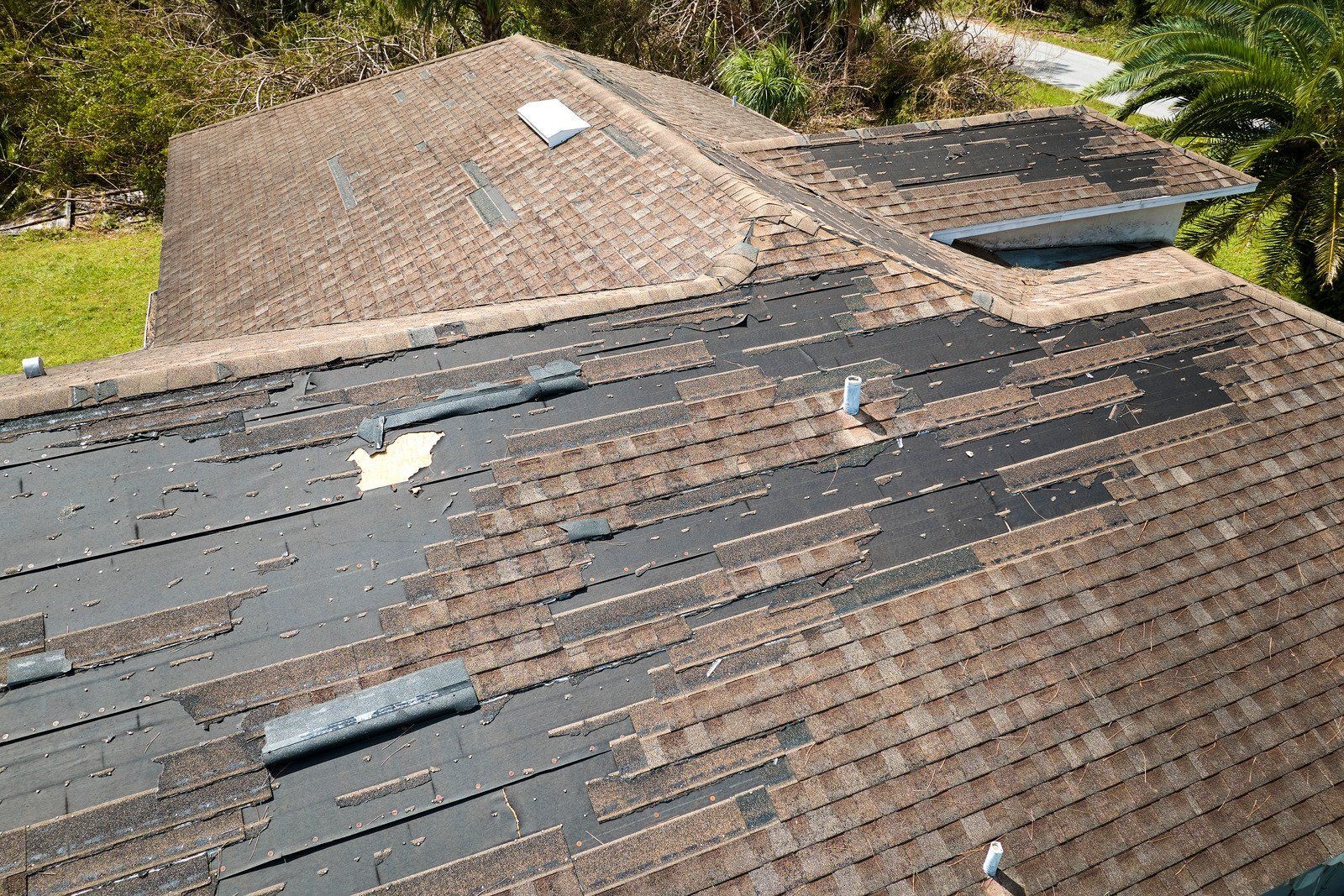
A comprehensive on-site inspection forms the foundation of a reliable project plan. Roofing specialists examine shingles, flashing, gutters, and the overall roof structure for wear, damage, and potential weak points. Chimney specialists evaluate masonry, chimney caps, liners, and the fireplace system to identify cracks, blockages, or water damage. Advanced tools, including moisture meters, infrared cameras, and drones, may be used for precise assessments, ensuring no hidden damage is overlooked.
Understanding the Findings
After the inspection, a detailed report outlines the findings, including photos, measurements, and a clear description of the issues. This step provides homeowners with transparency and a clear understanding of the necessary work. Clear communication during this stage allows the opportunity to discuss priorities, timelines, and budget expectations, setting the foundation for an informed decision-making process.
2. Project Planning and Estimate
Detailed Project Proposal
A professional roofing and chimney specialist provides a detailed project proposal. This includes the scope of work, recommended materials, estimated labor, and a timeline. Each component is explained to help homeowners understand why specific methods or materials are recommended. For example, certain shingles may be better suited for local weather conditions, while specific chimney liners offer enhanced durability and safety.
Cost Breakdown and Budget Planning
Transparent pricing is essential for avoiding surprises. The proposal should include a breakdown of material costs, labor, permits, and any additional fees. Understanding each cost element helps homeowners plan the budget effectively and make decisions aligned with long-term value. In many cases, alternatives can be presented, allowing homeowners to balance cost with quality and longevity.
Scheduling and Logistics
Scheduling is a critical component of project planning. The timeline should account for weather conditions, supply availability, and any special requirements such as working around landscaping or existing structures. Proper planning minimizes delays and ensures a smooth workflow. Additionally, coordination with local authorities for permits or inspections may be necessary, which a professional specialist handles efficiently.
Real-World Considerations
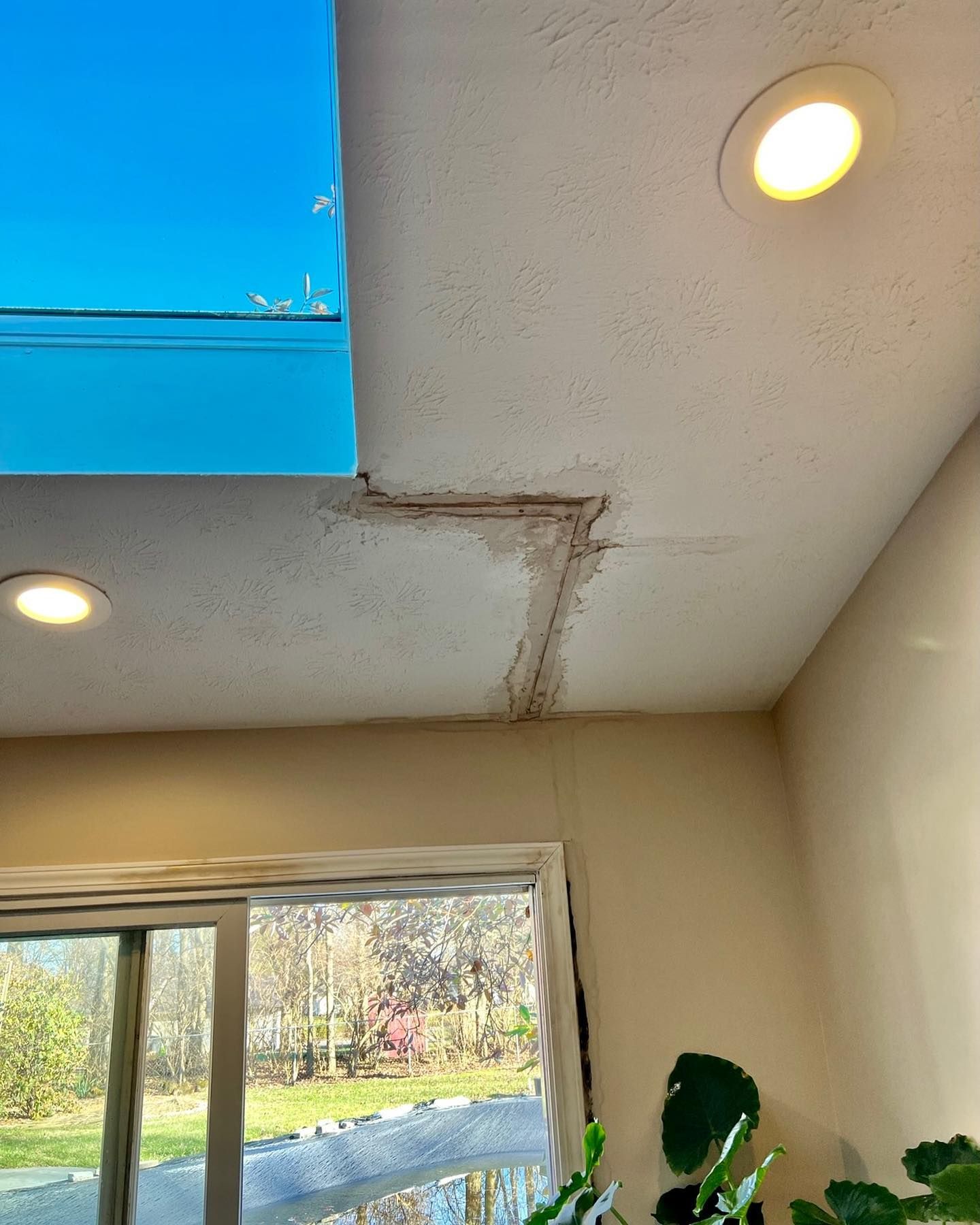
In practice, homeowners may encounter unexpected issues such as hidden water damage or structural concerns discovered during demolition. Planning for contingencies helps manage these challenges without disrupting the project or inflating costs unexpectedly. A clear project plan includes a flexible approach for handling unforeseen circumstances.
3. Material Selection and Customization
Roofing Material Options
Choosing the right roofing material is a crucial decision impacting aesthetics, durability, and maintenance. Options include asphalt shingles, metal roofing, slate, tile, or composite materials. Each has unique benefits; asphalt shingles are cost-effective and versatile, metal roofs provide longevity and energy efficiency, while slate or tile offers premium durability and a distinctive look. Understanding the pros and cons of each material allows homeowners to select a solution that aligns with their style, budget, and climate conditions.
Chimney Components and Materials
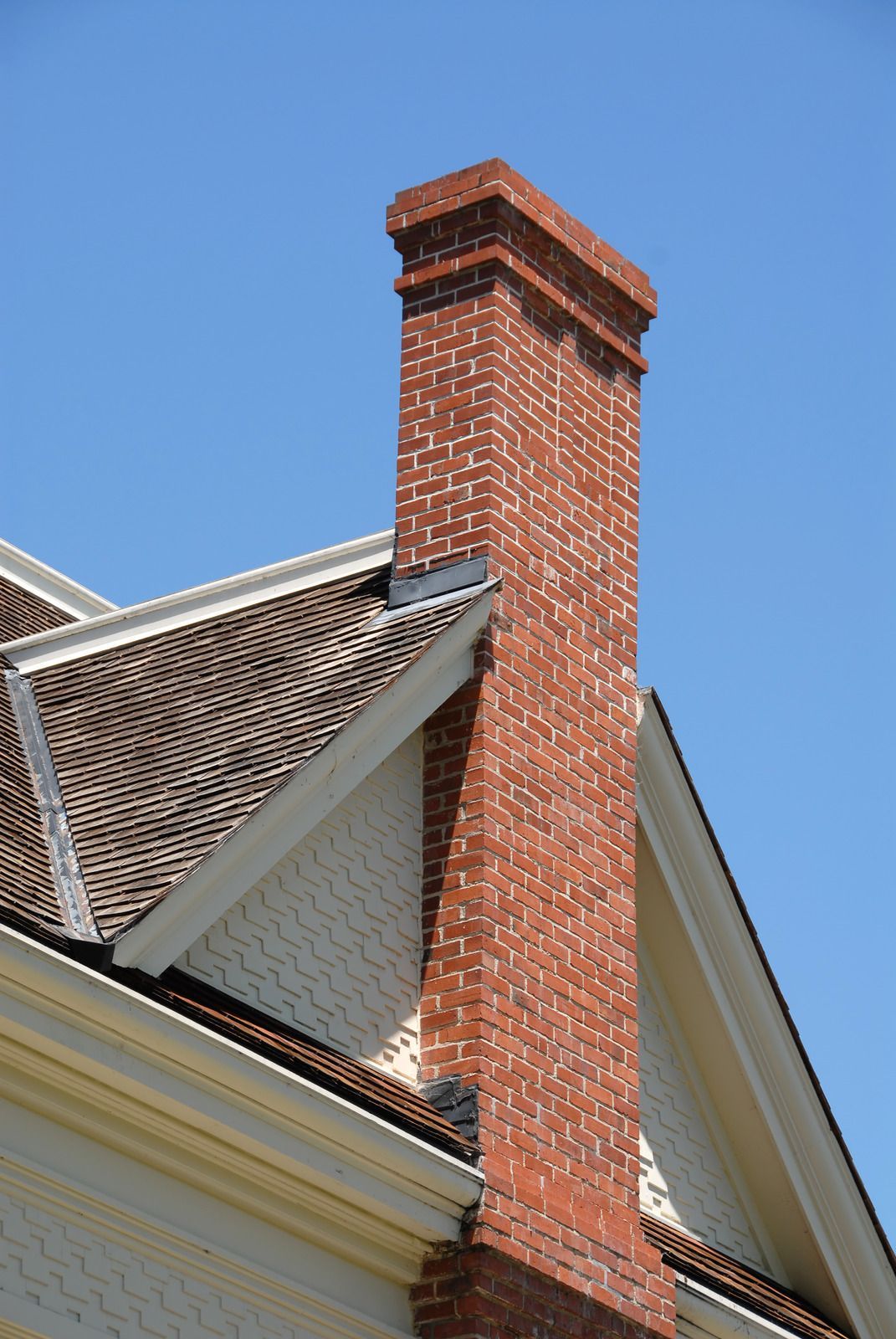
Chimney functionality and safety are influenced by material quality and installation precision. Brick, stone, or concrete masonry, along with metal liners, caps, and dampers, each serve specific purposes. A properly installed chimney cap prevents water infiltration, while liners protect the masonry and improve draft efficiency. Selecting the right materials ensures structural integrity and reduces future maintenance needs.
Customization and Aesthetic Considerations
Both roofing and chimney projects offer opportunities for customization. Color palettes, textures, and finishes can enhance the home’s curb appeal while ensuring functional efficiency. Expert guidance helps homeowners choose options that complement the architectural style of the home, increase property value, and provide long-term satisfaction. Customizations are balanced with durability and maintenance requirements, ensuring design choices do not compromise performance.
4. Installation or Repair Process
Preparation and Safety Measures
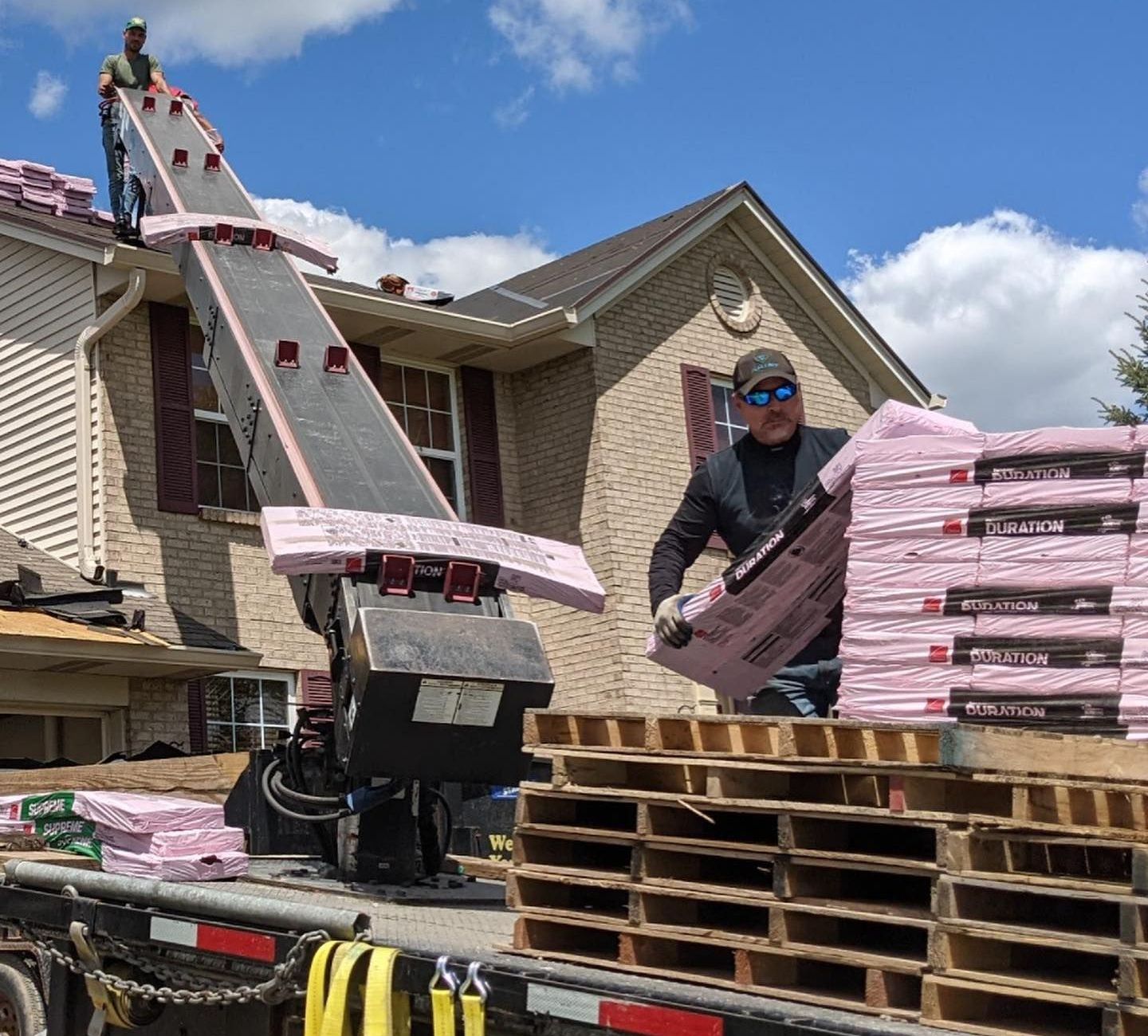
Before installation or repair begins, preparation is key. This includes clearing work areas, protecting landscaping, and setting up scaffolding or safety barriers. Safety protocols are implemented for both workers and residents, minimizing risks associated with heights, heavy materials, and tools.
Roofing Installation or Repair Steps
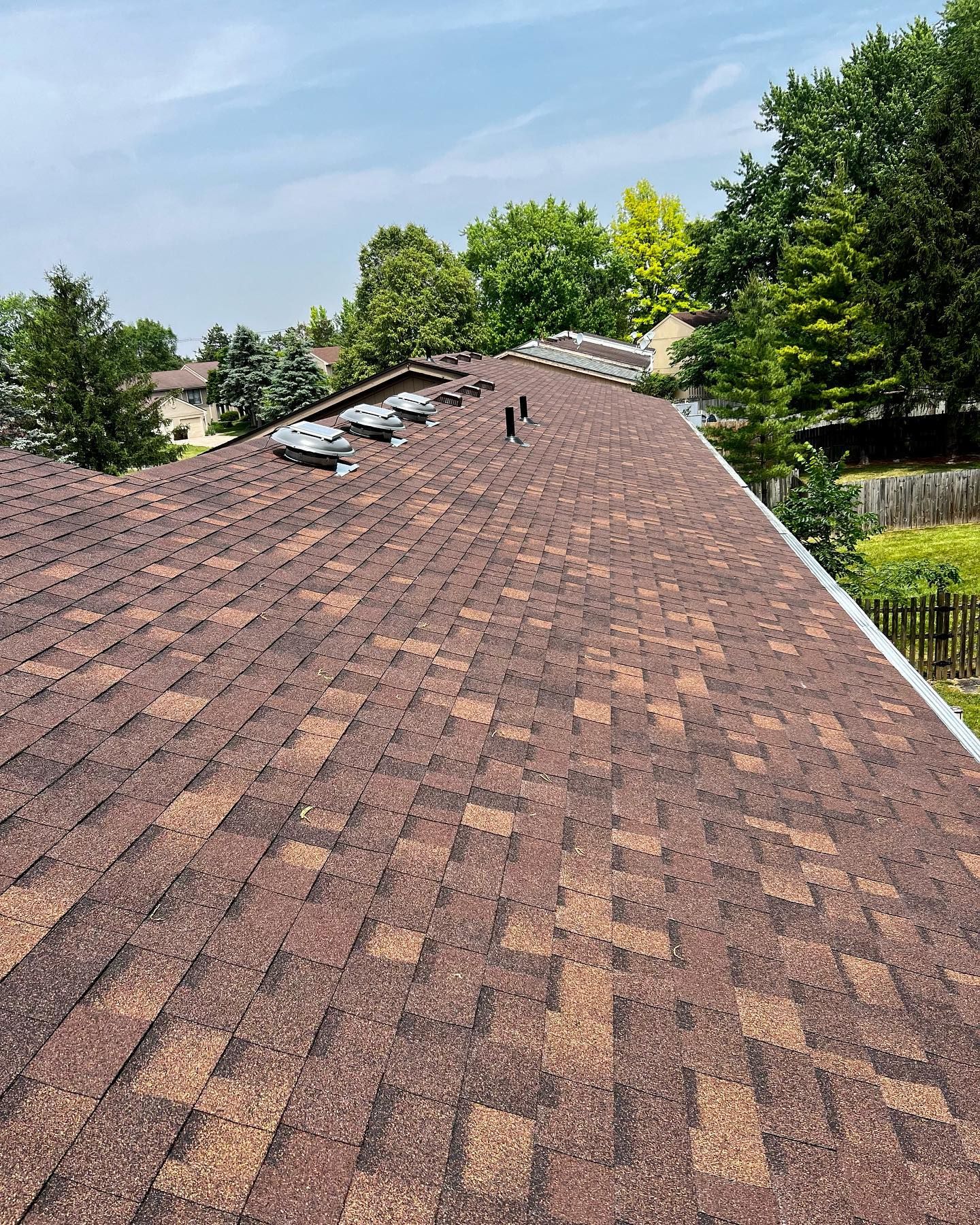
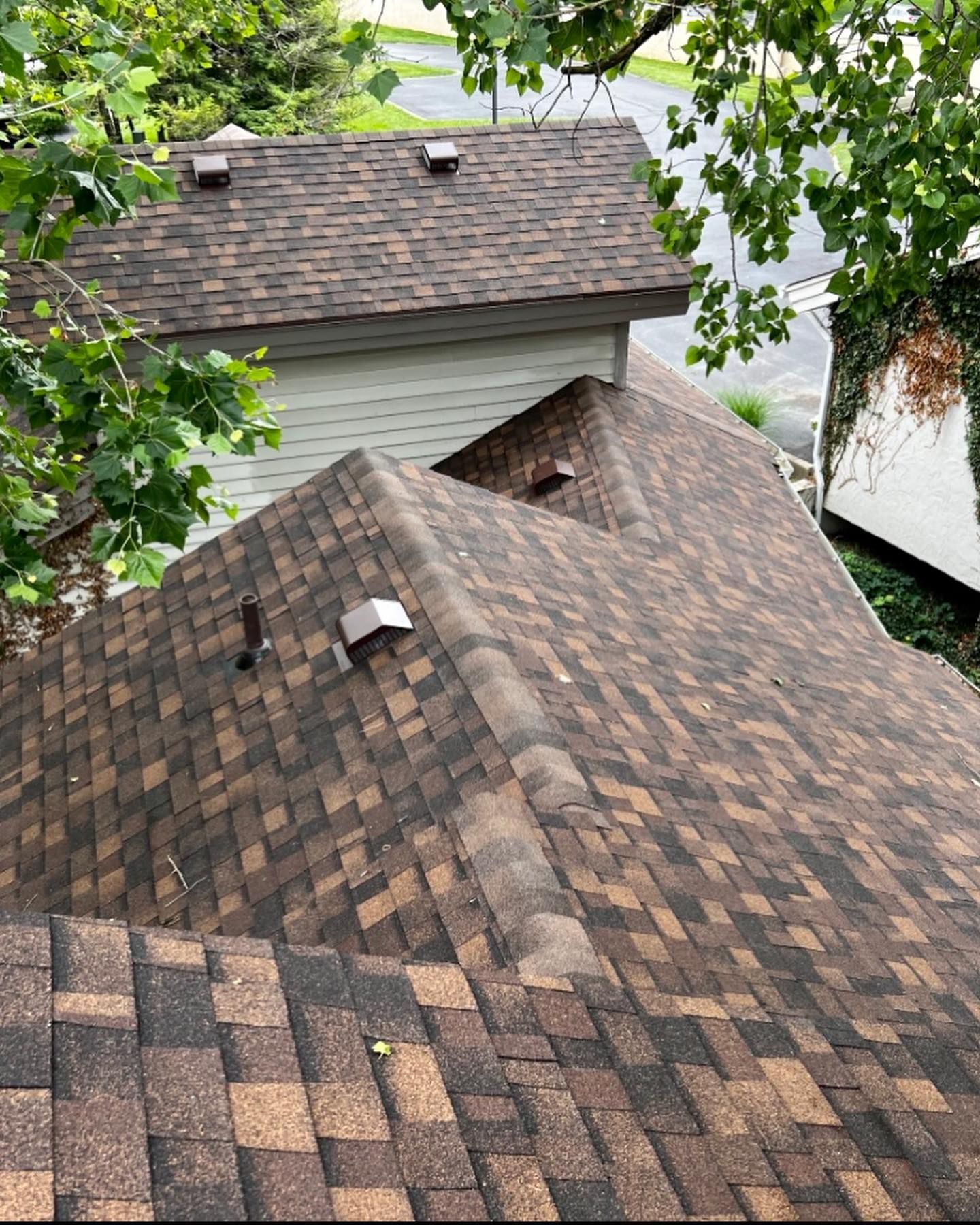
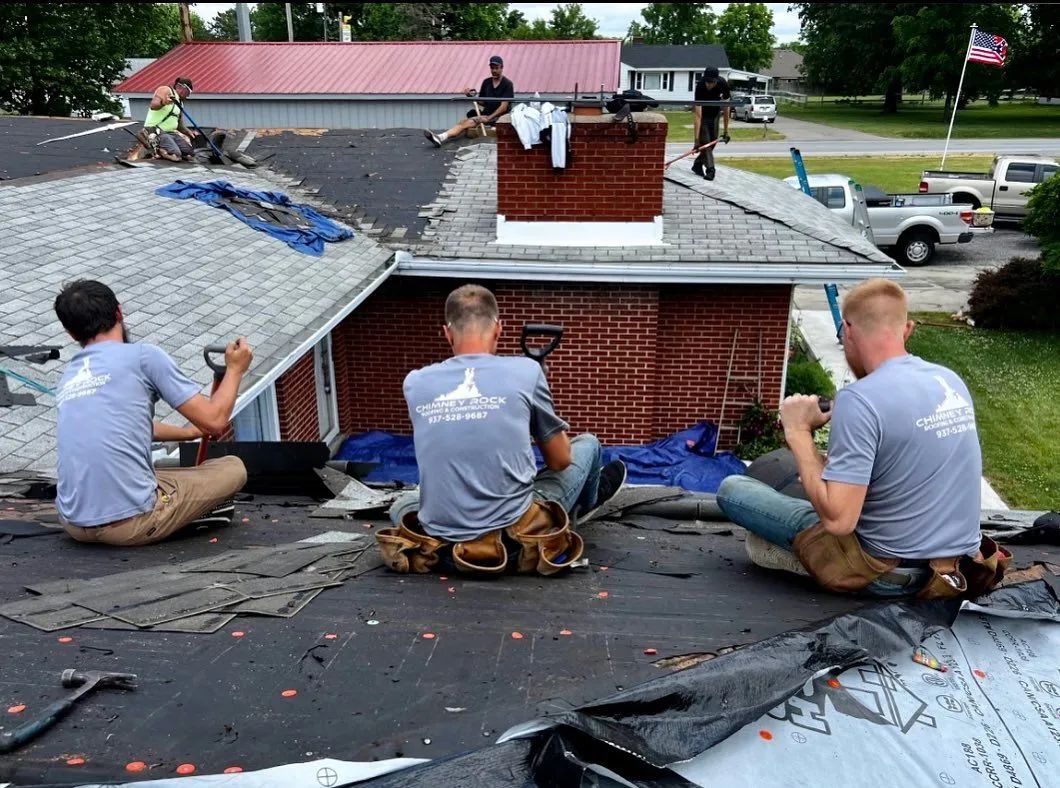
Roofing installation involves several critical steps: removing old shingles if necessary, repairing underlying structures, installing underlayment, and finally applying new shingles or roofing material. Flashing and vents are carefully installed to prevent leaks, and gutters may be adjusted or replaced for optimal drainage. Each step is performed with precision to ensure long-lasting performance and compliance with building codes.
Chimney Installation or Repair Steps
Chimney repair or installation requires meticulous attention to detail. This may include rebuilding masonry, installing liners, sealing joints, and adding chimney caps. Proper alignment and adherence to safety standards are critical to prevent water damage, improve ventilation, and ensure fire safety. Regular quality checks throughout the process guarantee that work meets both safety and aesthetic standards.
Real-World Challenges
Projects may encounter challenges such as unexpected structural damage, inclement weather, or material shortages. Addressing these issues promptly prevents delays and ensures the final outcome meets the expected quality standards. Homeowners benefit from proactive communication regarding any adjustments to the original plan, fostering transparency and trust.
5. Inspection and Quality Assurance
Post-Installation Inspection
Once the roofing and chimney work is complete, a thorough inspection ensures all aspects meet quality and safety standards. This includes checking the integrity of shingles, flashing, gutters, chimney masonry, liners, and ventilation systems. Any minor adjustments or finishing touches are addressed before the final approval.
Testing Functionality
Testing systems such as water drainage, ventilation, and draft efficiency confirms proper installation. For chimneys, smoke tests or airflow checks verify that the system operates safely and efficiently. Ensuring functionality before project completion prevents future issues and reinforces long-term reliability.
Documentation and Warranty
A professional specialist provides detailed documentation, including warranties, maintenance recommendations, and care instructions. Warranties protect homeowners against material defects or workmanship issues, while maintenance guidance helps prolong the lifespan of the roof and chimney. Clear documentation also serves as a reference for future repairs or inspections.
Value of Quality Assurance
Quality assurance ensures that the project delivers maximum value and performance. Homeowners can have confidence that the investment in roofing and chimney work is protected and that potential problems are minimized. This step underscores the importance of working with a specialist who adheres to industry best practices and prioritizes customer satisfaction.
6. Choosing the Right Specialist: Key Considerations
Licensing and Certifications
Ensuring the specialist is properly licensed and certified is critical for legal compliance and professional accountability. Credentials demonstrate adherence to industry standards, safety protocols, and technical expertise.
Experience and Reputation
Experience directly correlates with quality and reliability. Specialists with a proven track record provide insight into potential challenges, effective solutions, and long-lasting results. Checking references, online reviews, and past project portfolios helps gauge performance and professionalism.
Communication and Transparency
Clear communication is essential throughout the project. Expect transparency in timelines, pricing, material recommendations, and potential challenges. Effective communication builds trust and ensures that expectations are aligned, minimizing misunderstandings.
Contract and Written Agreement
A detailed contract outlining scope, costs, timelines, and warranties protects both parties. It serves as a reference point for project expectations, responsibilities, and accountability. Avoiding verbal agreements reduces the risk of disputes and ensures clarity throughout the project lifecycle.
Reliable, Professional Roofing and Chimney Services Delivered Expertly
Hiring a roofing and chimney specialist involves multiple steps that require careful attention, clear communication, and informed decision-making. From the initial consultation and on-site assessment to project planning, material selection, installation, inspection, and long-term maintenance, every stage plays a crucial role in the final outcome. Understanding these steps ensures homeowners are prepared for potential challenges, can make informed choices, and enjoy a smooth project experience.
At Chimney Rock Roofing & Construction, LLC, we bring 20
years of dedicated experience to homeowners in Dayton, Beavercreek, and Centerville, Ohio. Our focus on quality craftsmanship, transparent communication, and dependable service ensures every
roofing and chimney project exceeds expectations. From minor repairs to full-scale installations, we prioritize clear guidance, proactive solutions, and attention to detail at every step. Choosing us means partnering with a trusted authority committed to protecting your home, enhancing its value, and providing peace of mind through every stage of the roofing and chimney process.